
Back to Media Centre

04 May 2026
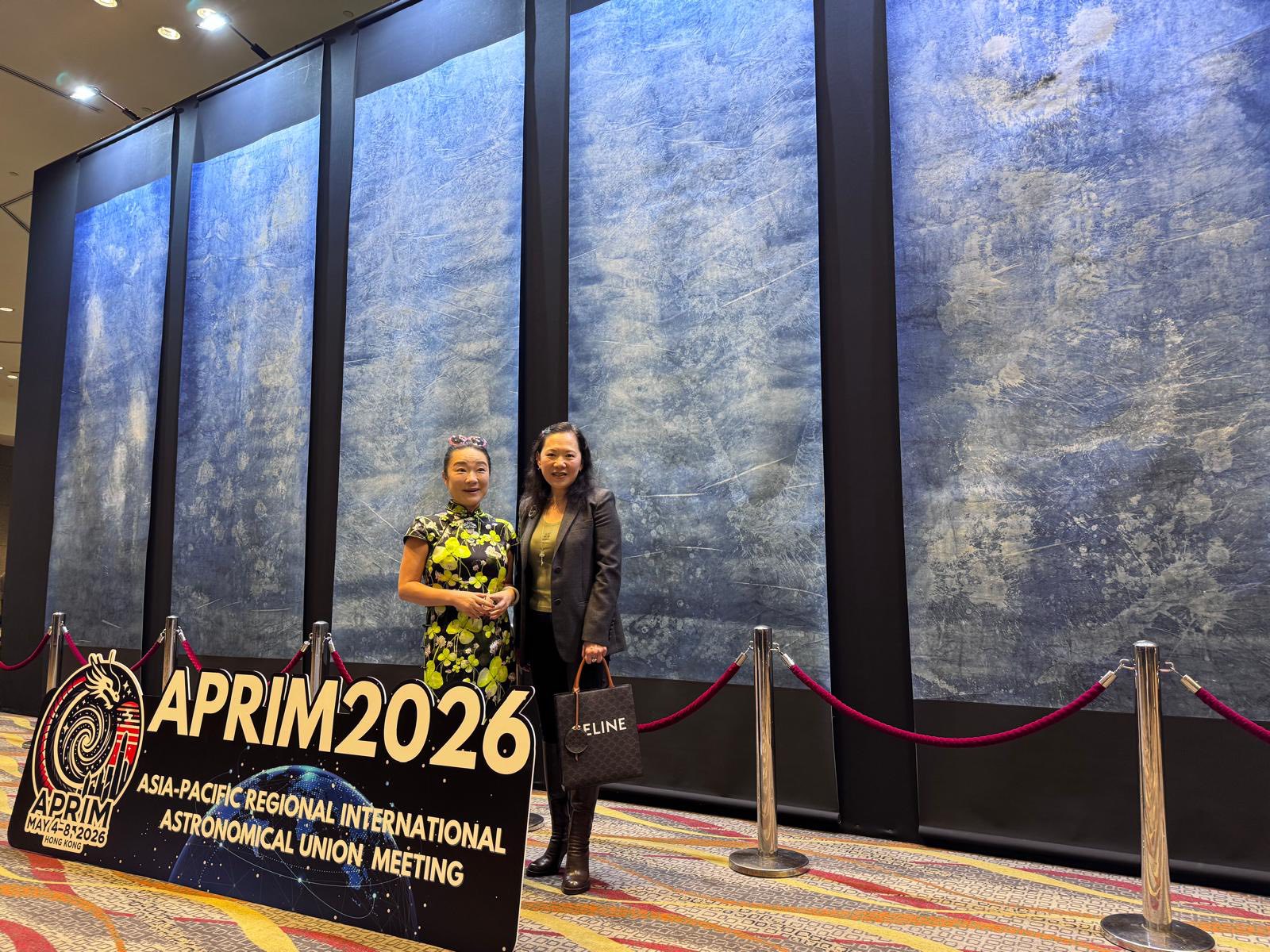
2026 Asia-Pacific Regional IAU Meeting
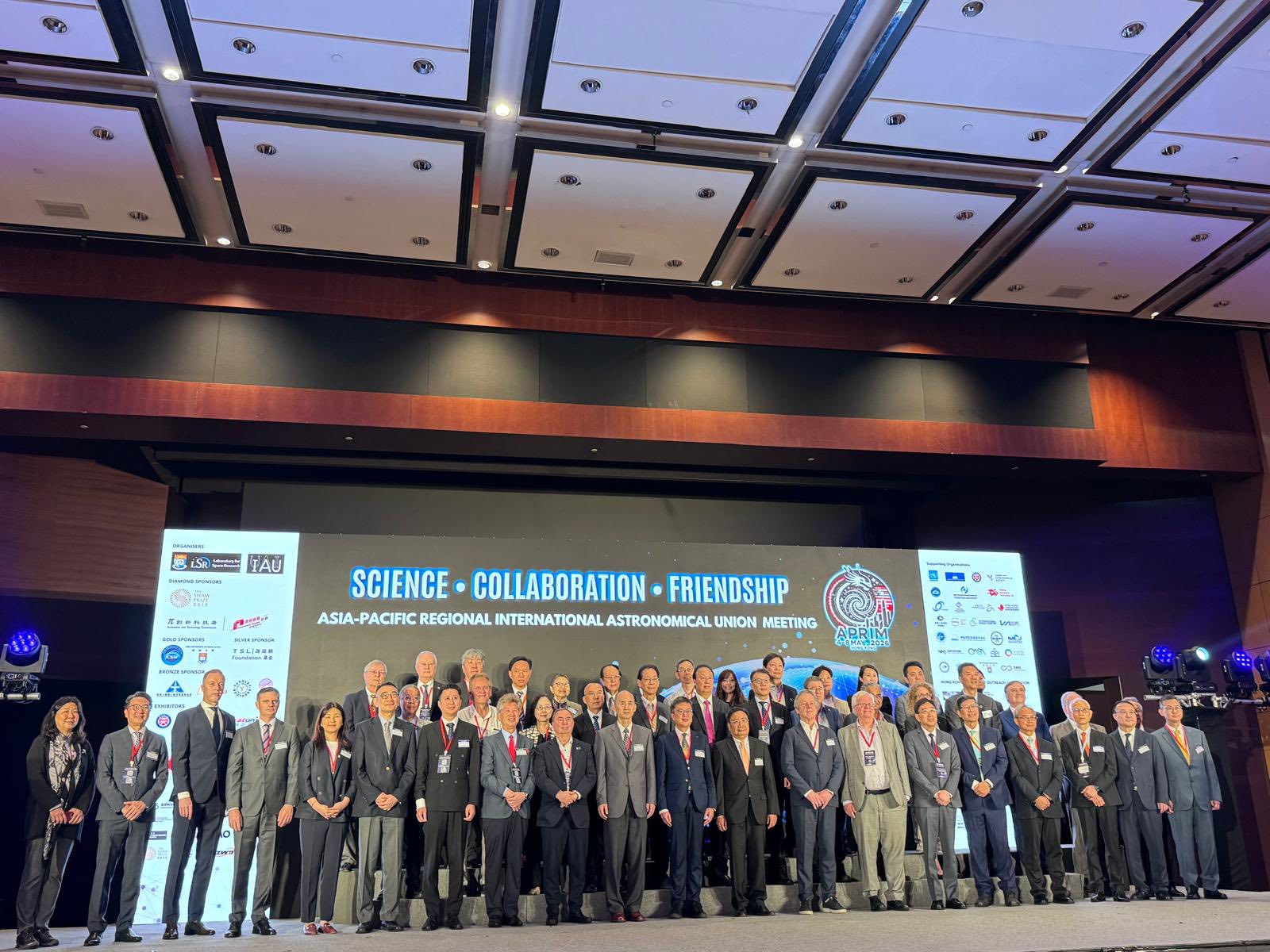
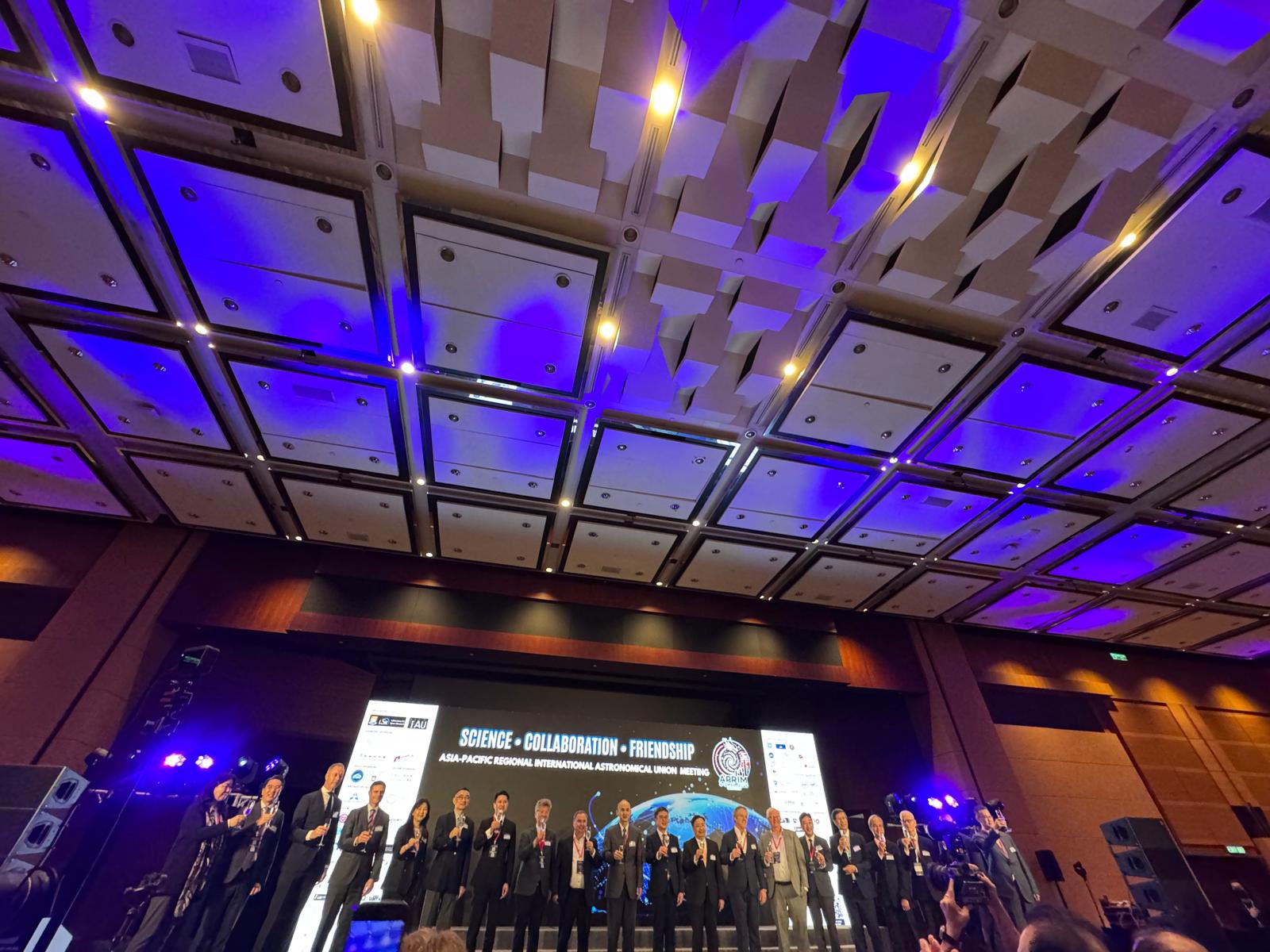
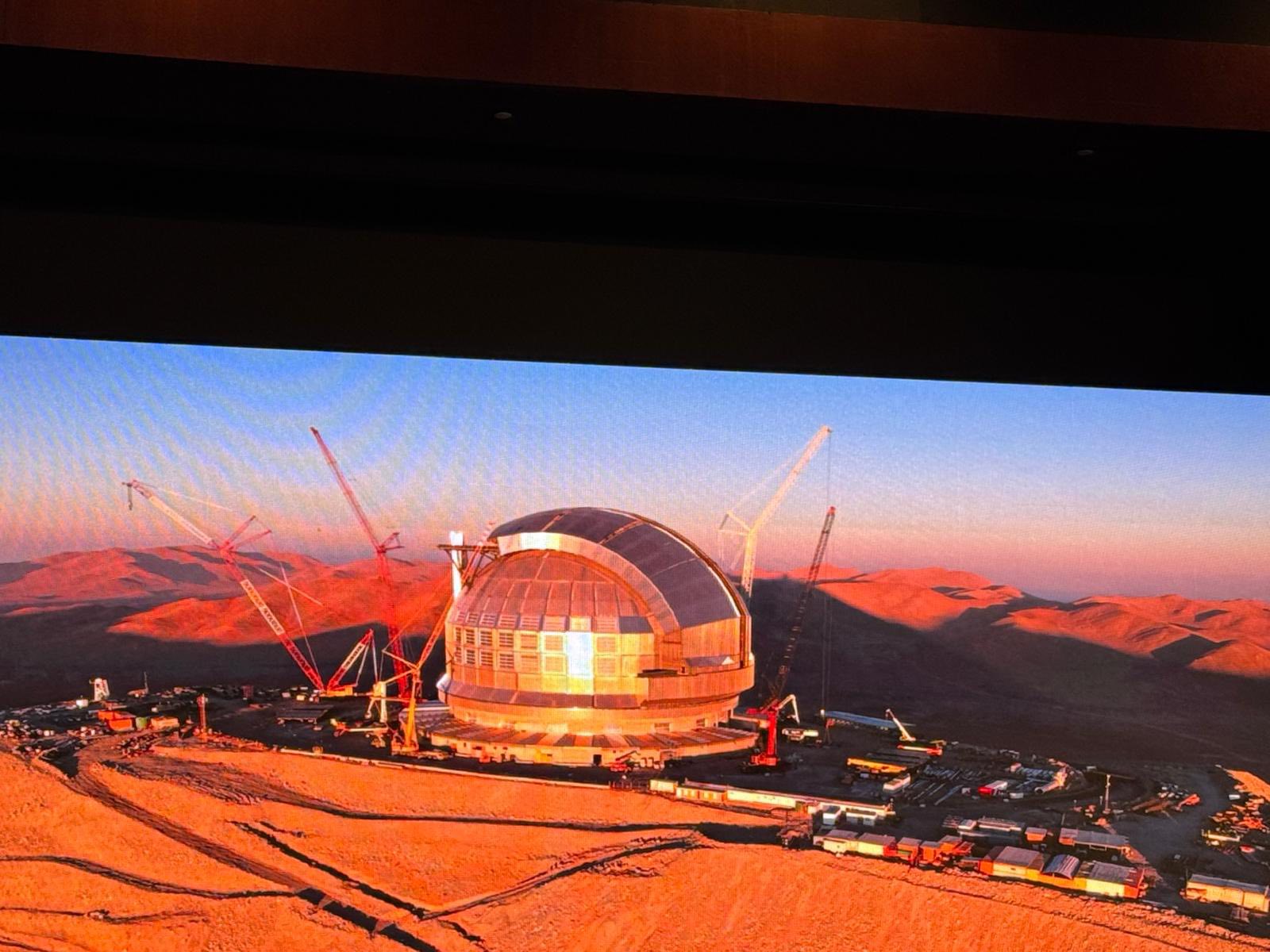
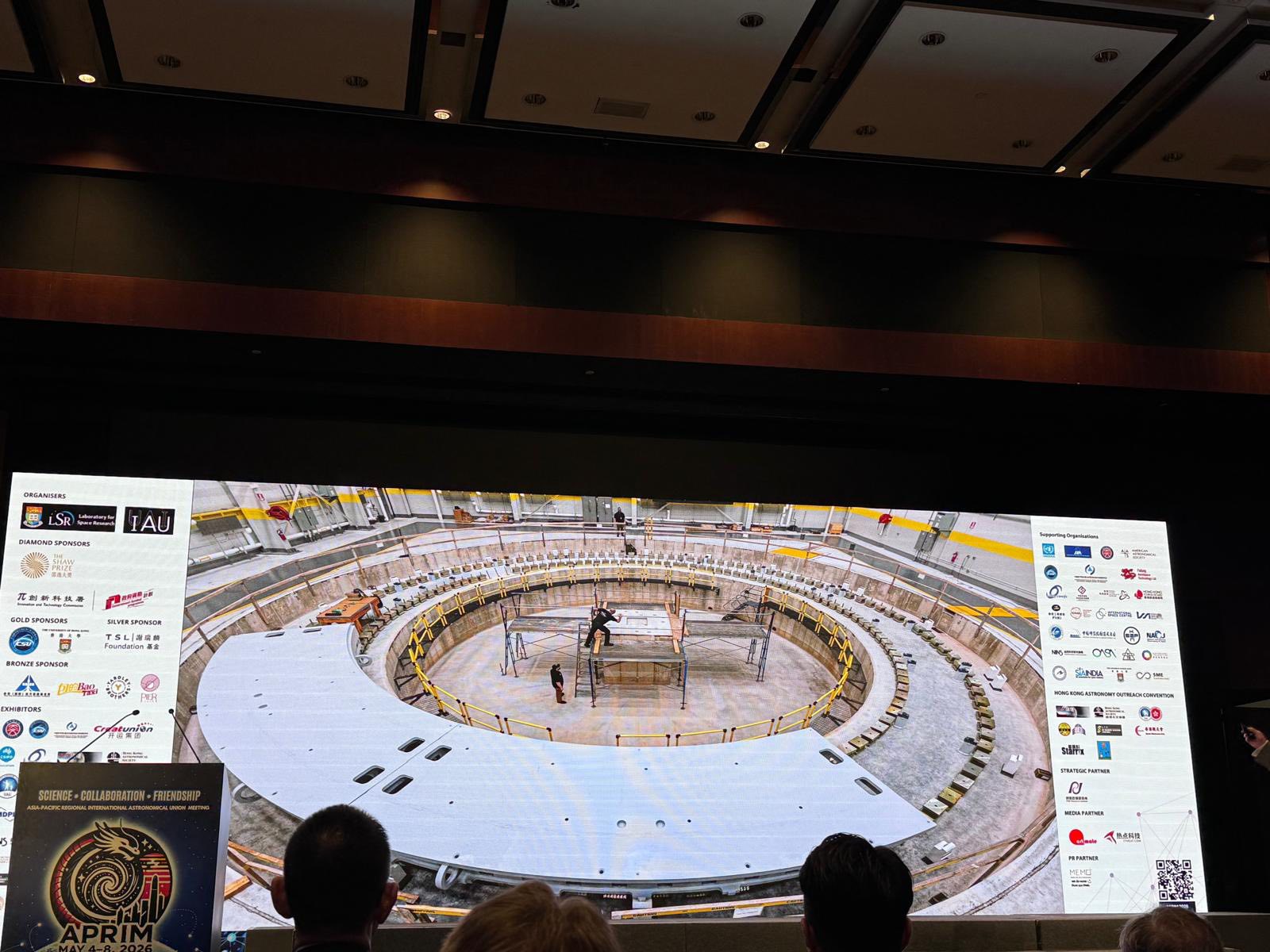
Organized by the International Astronomical Union (IAU) and hosted by the University of Hong Kong’s Laboratory for Space Research (LSR), Hong Kong has been selected to host the Asia-Pacific Regional IAU Meeting (APRIM) for the first time, from today to May 8. Dubbed “The Olympics of Astrophysics and Space Science,” the event brings Nobel and Shaw laureates—along with other distinguished scientists from around the world—and represents a significant milestone for Hong Kong, underscoring its pivotal role in fundamental research, STEAM education, and international collaboration.
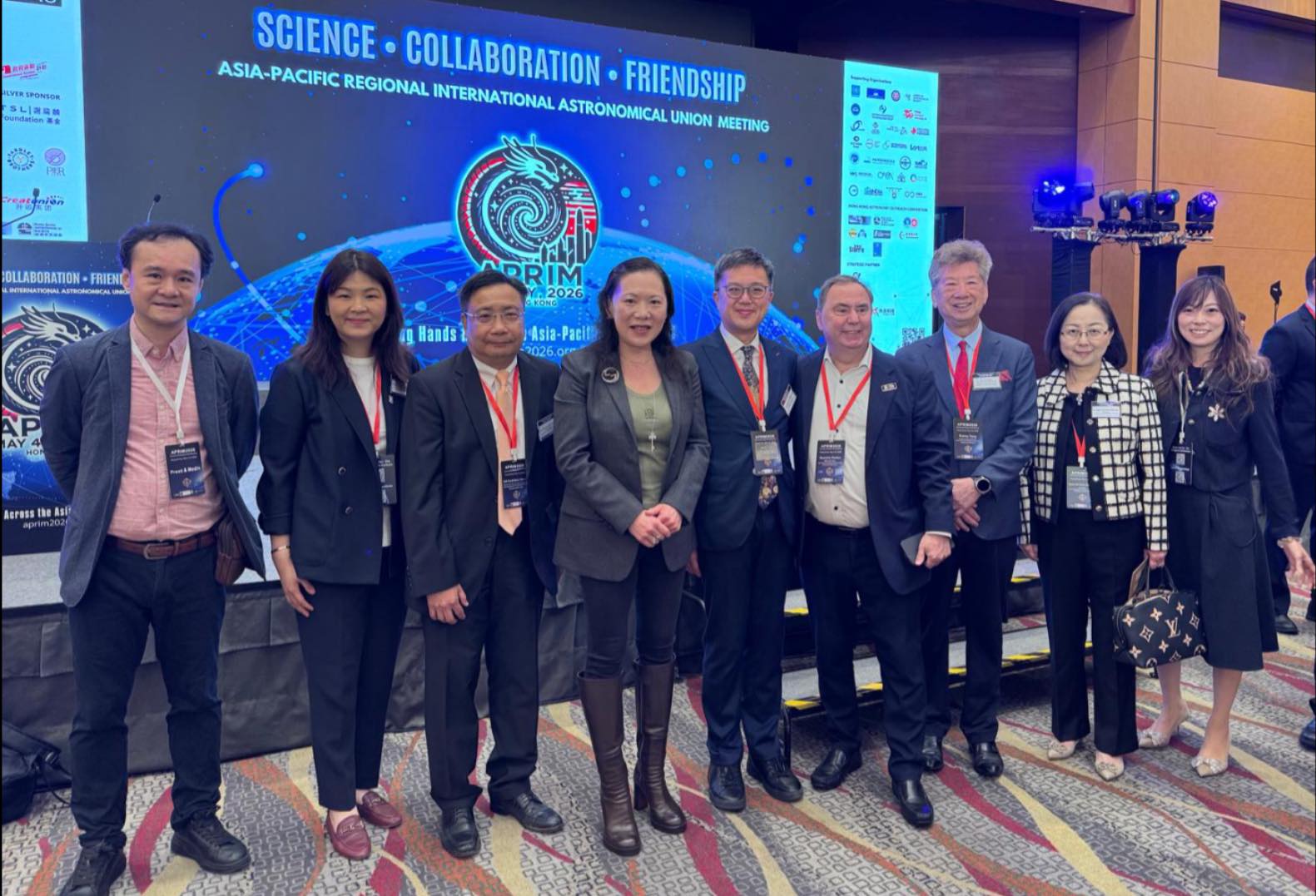
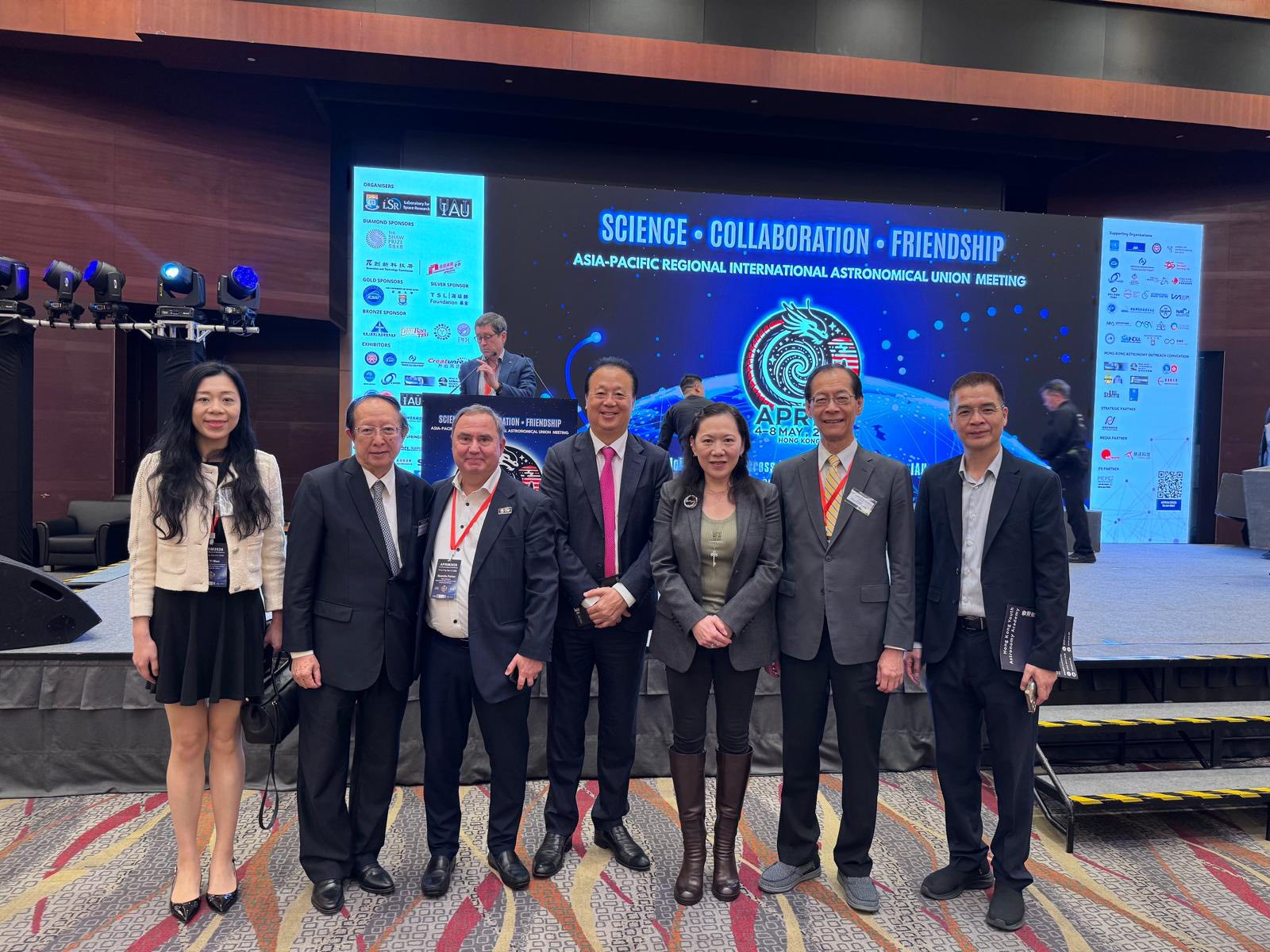
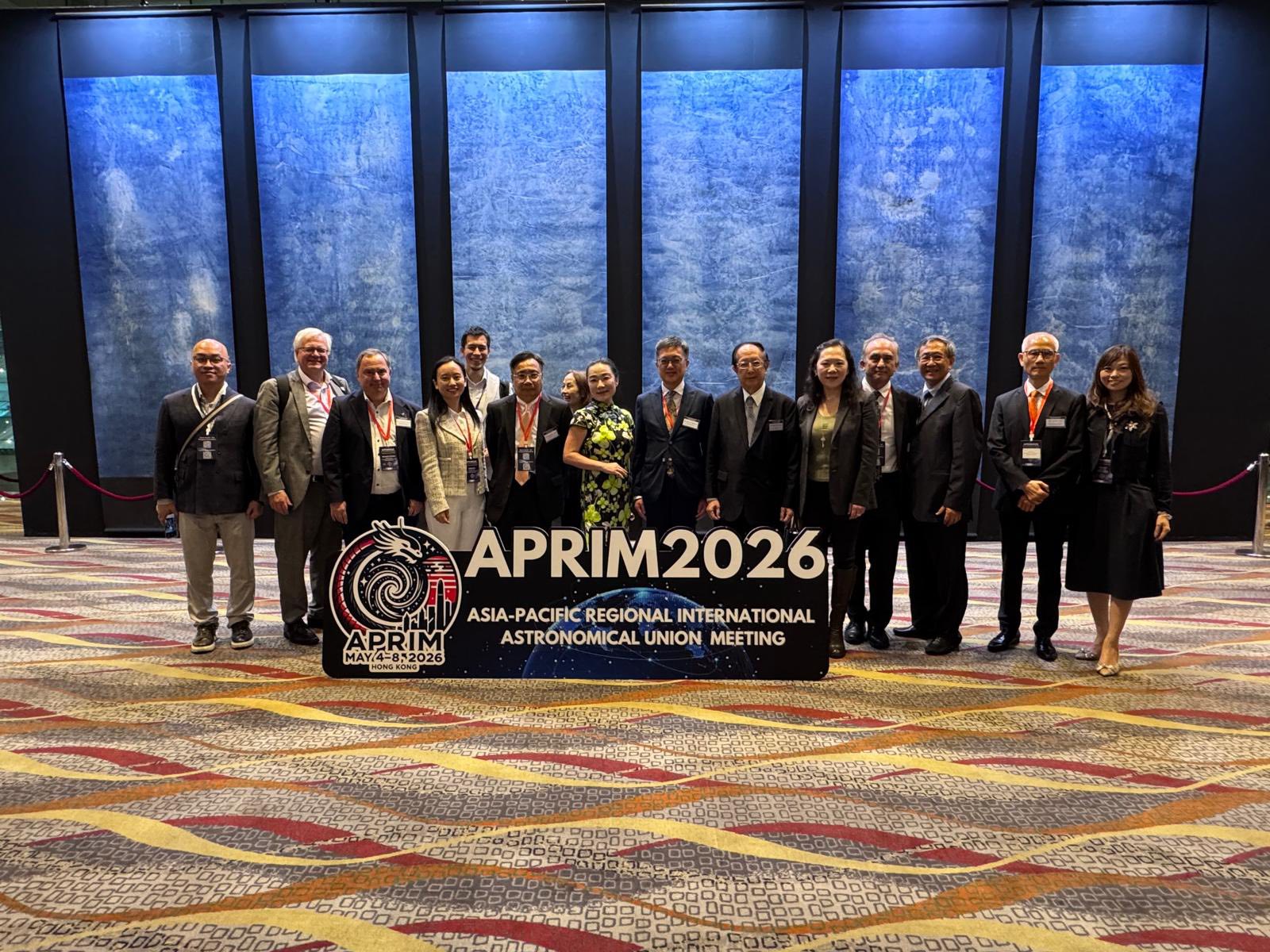
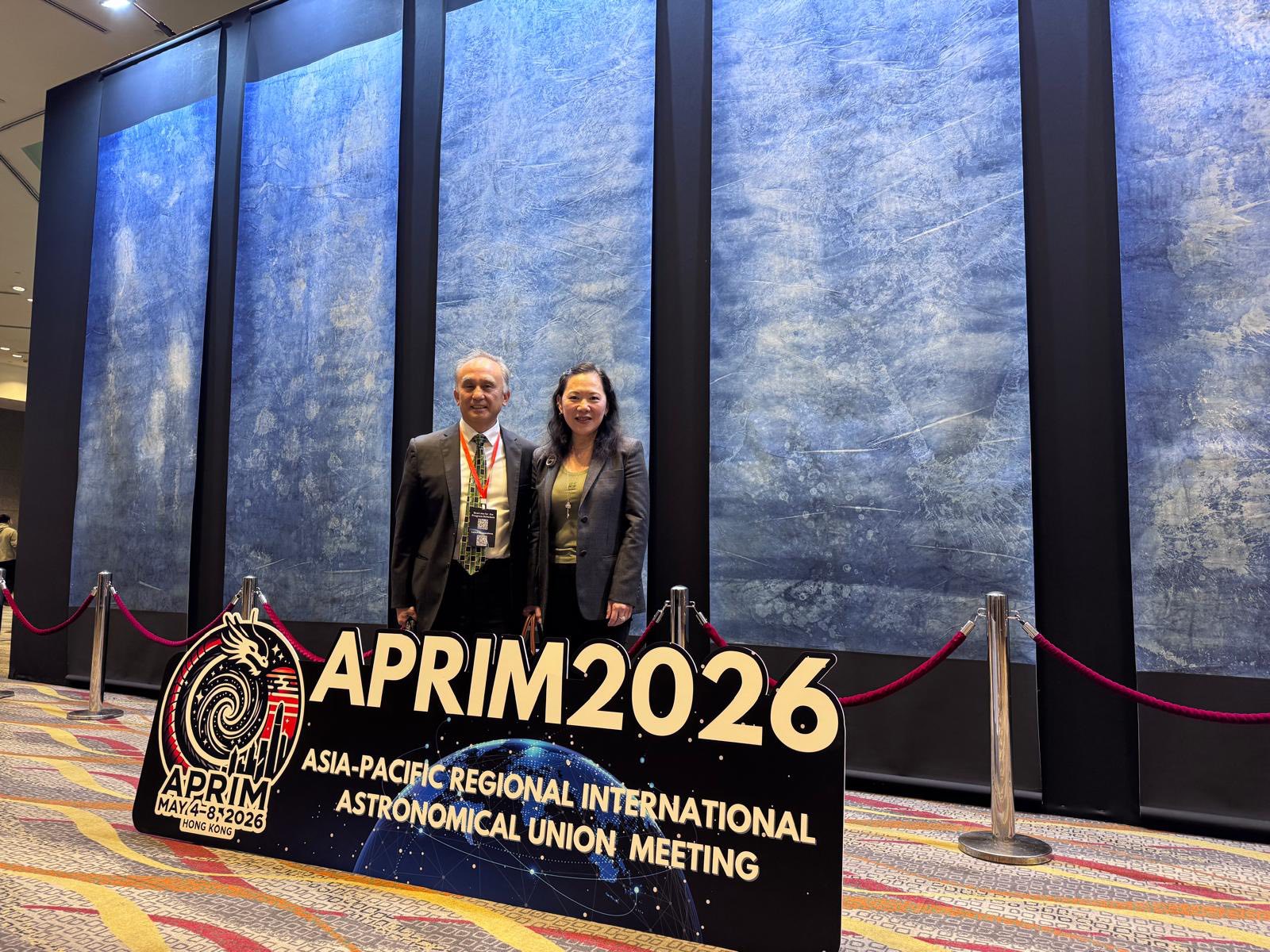
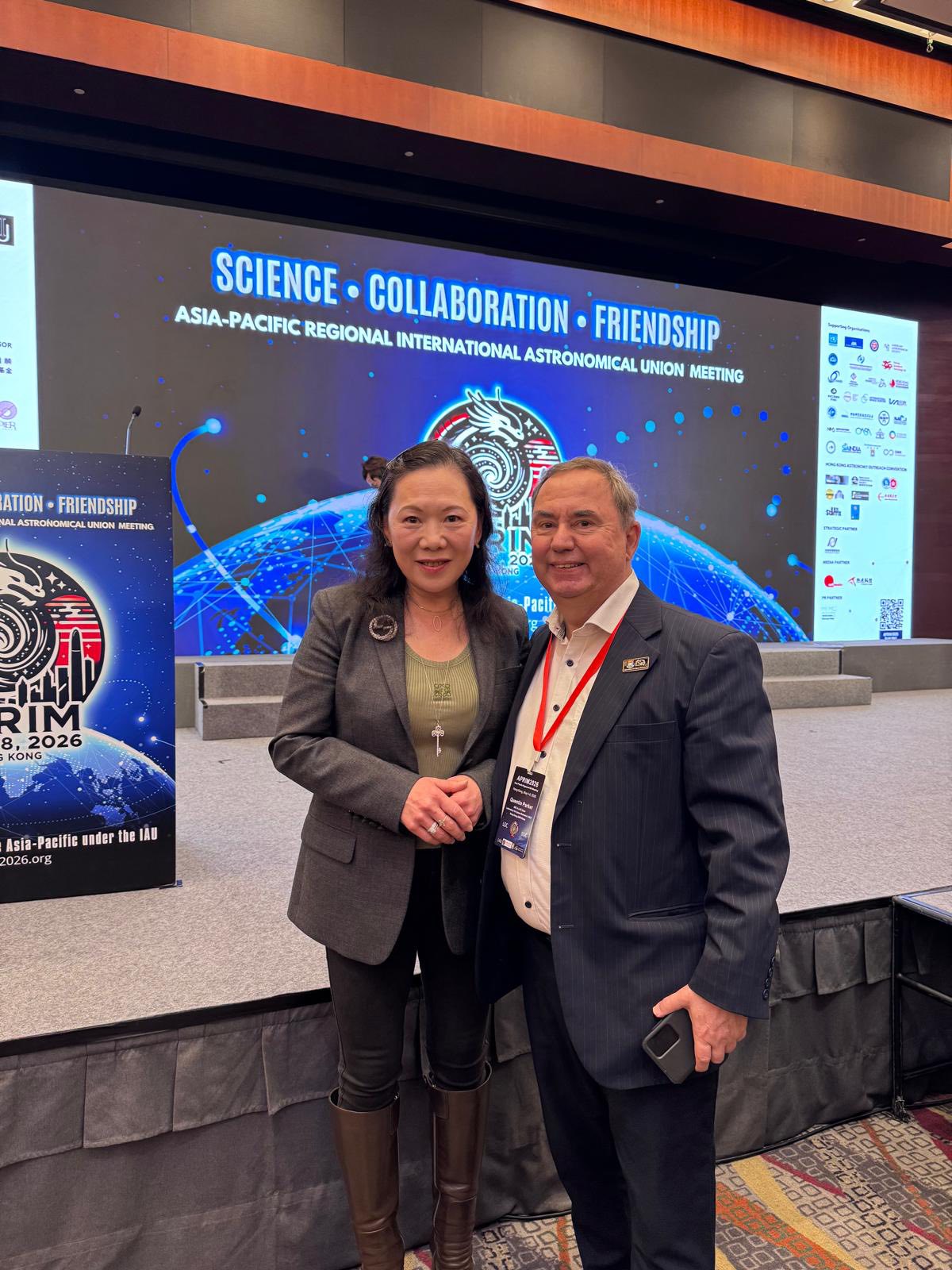
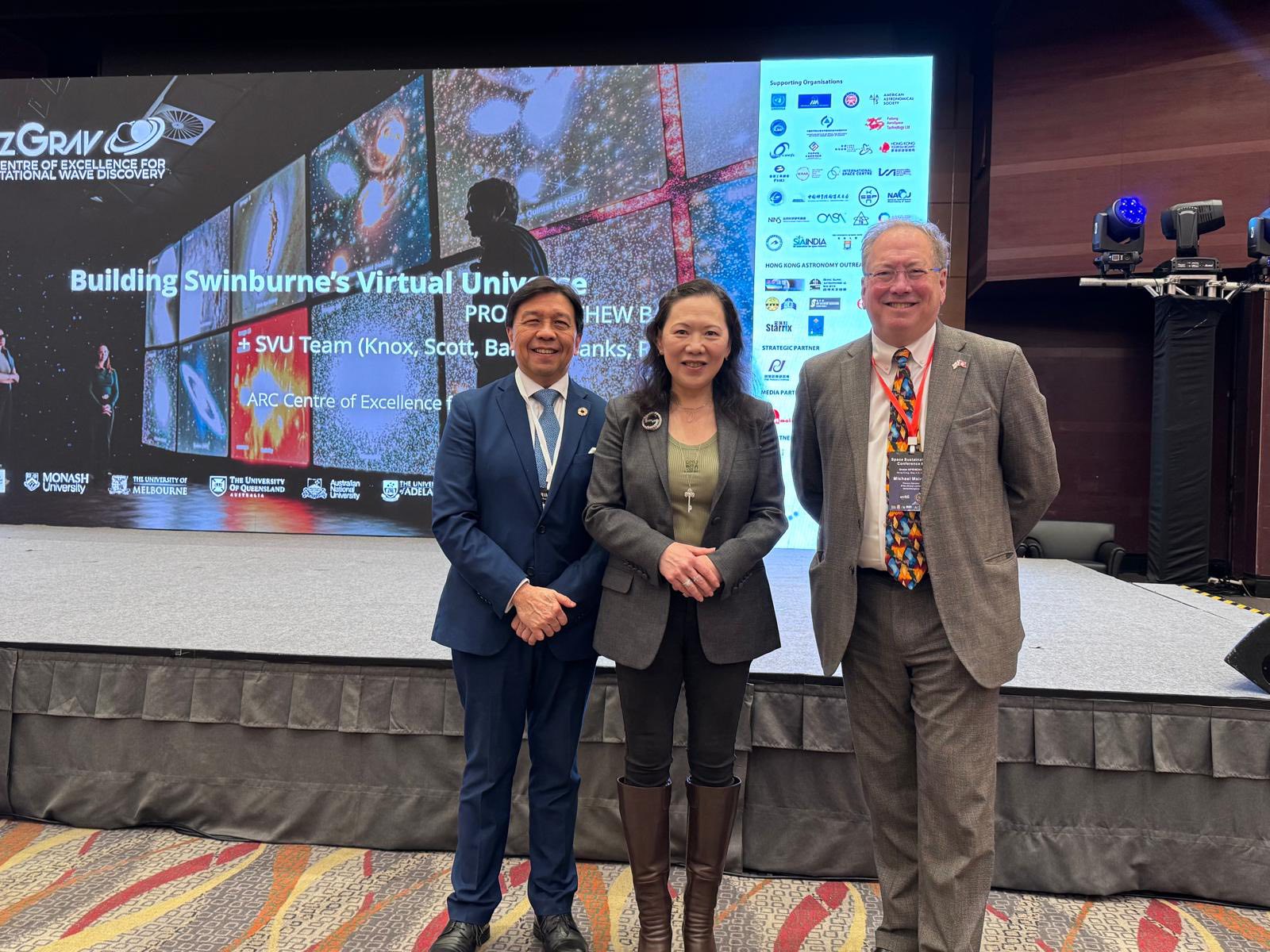
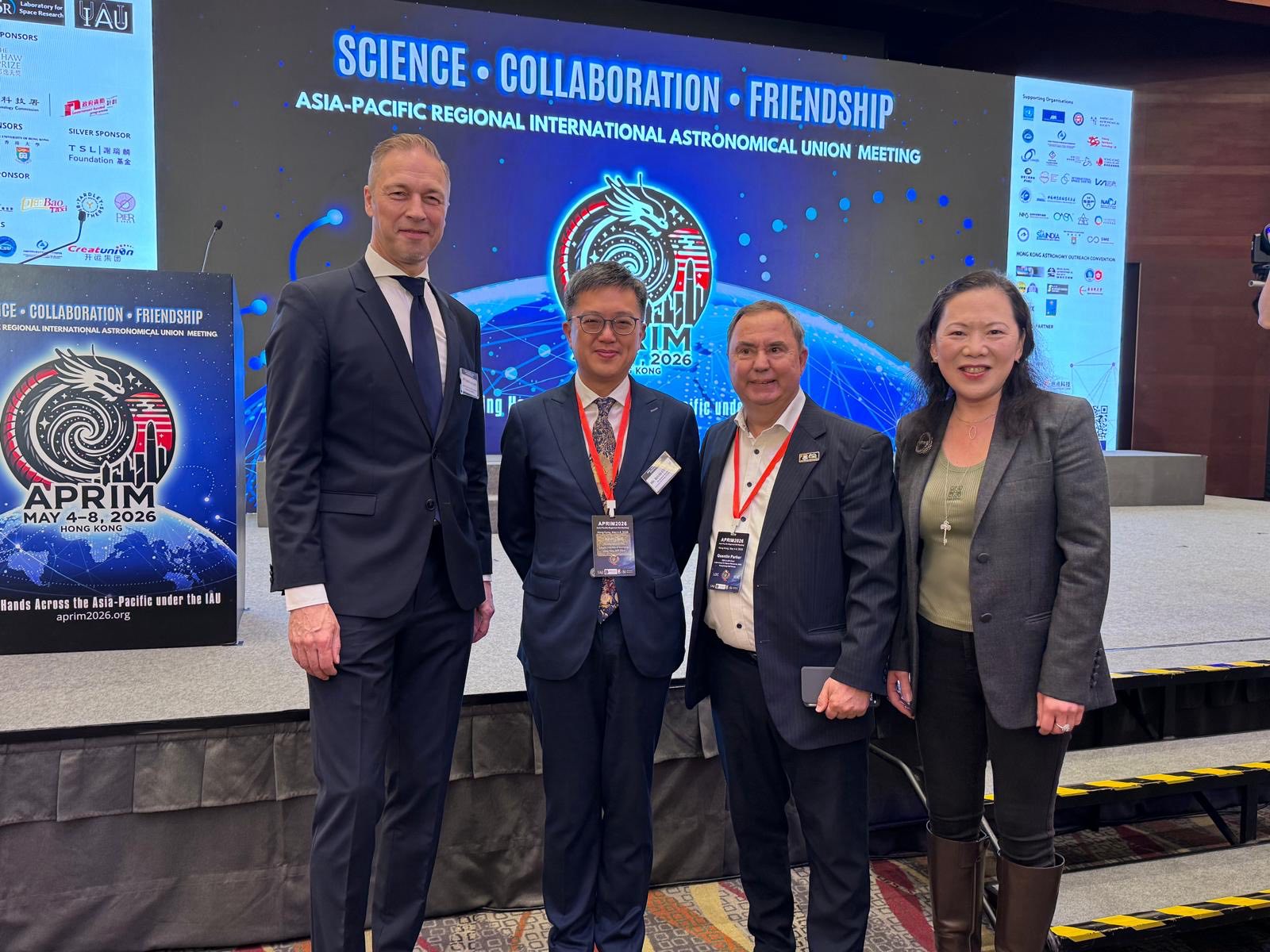
As a former Director and council member of Orion Astropreneur Space Academy (OASA), Rosana of Yau Lee Group has been supporting the NewSpace economy since 2021. Today, she joined the 2026 APRIM Opening Ceremony to meet with international and regional experts, learn about the latest developments, and explore scientific collaboration and cooperation.
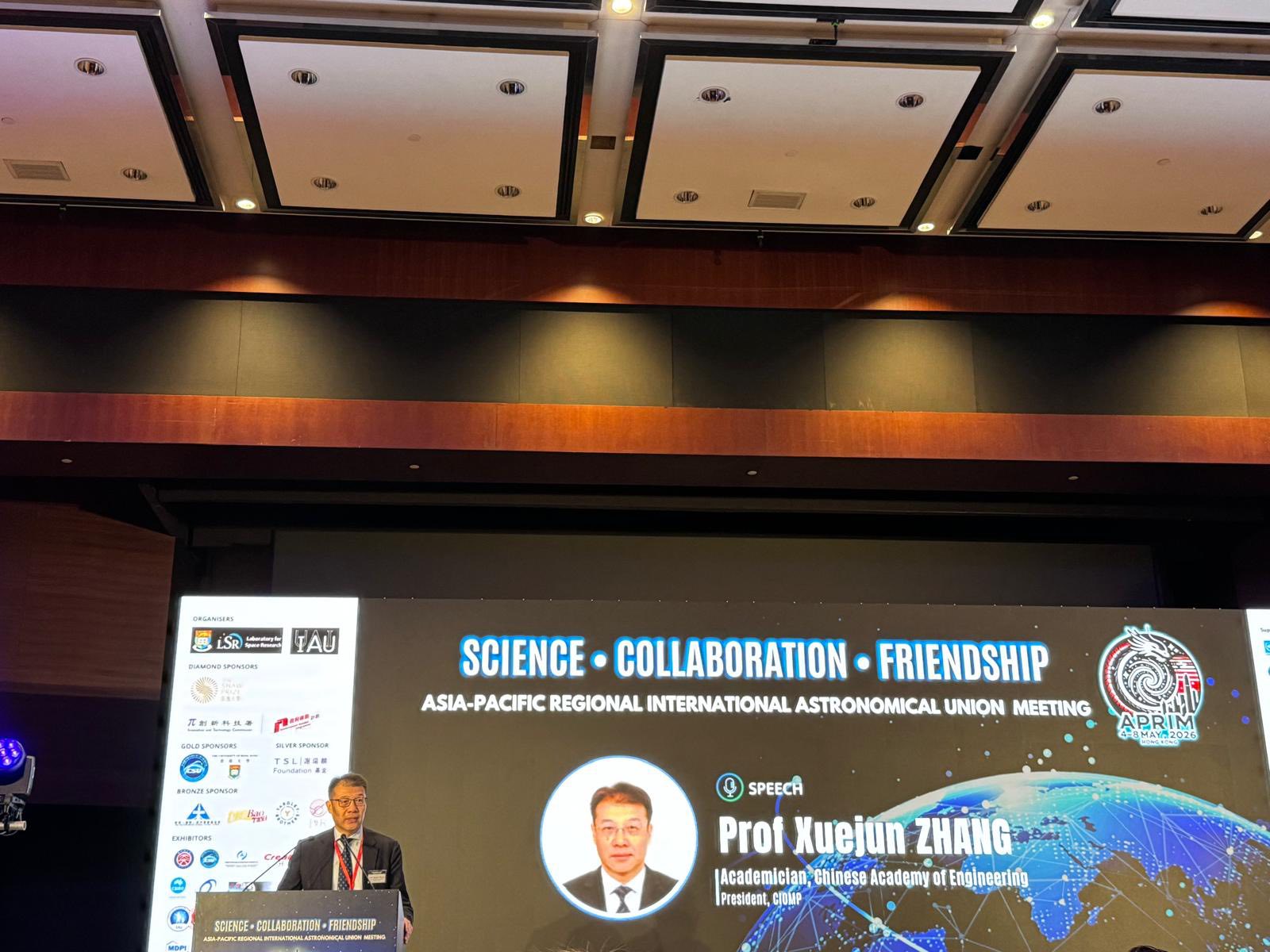
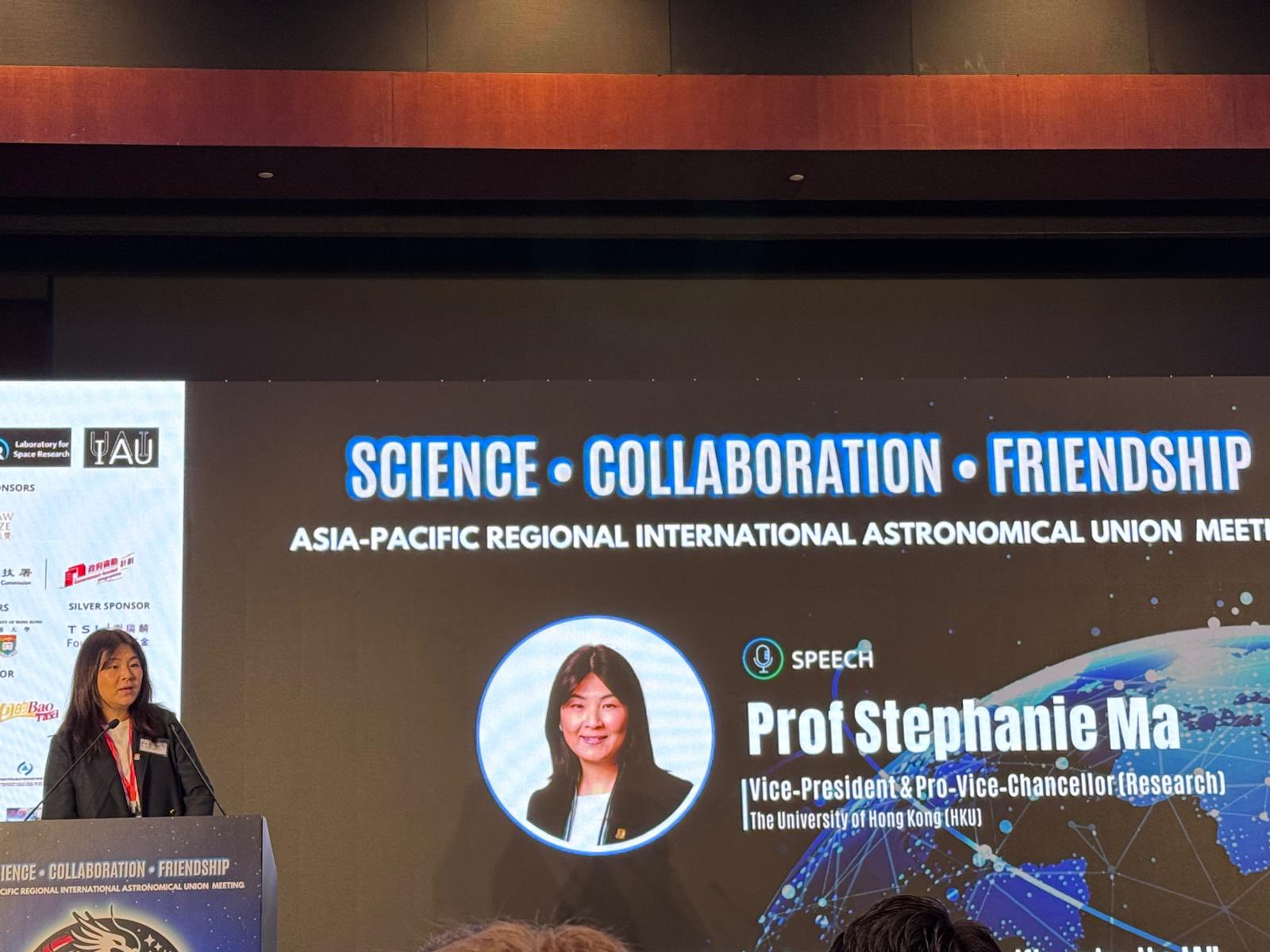
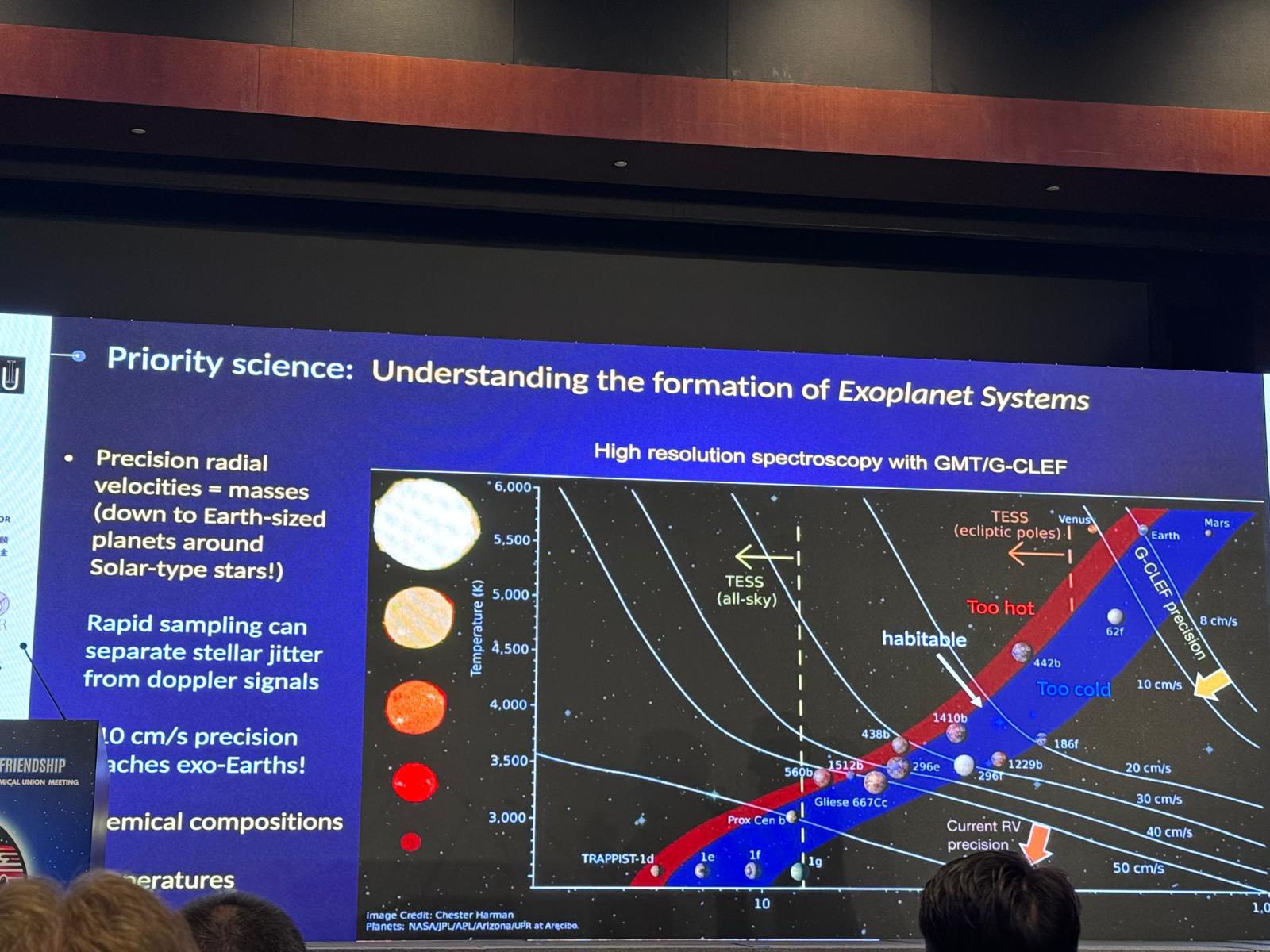
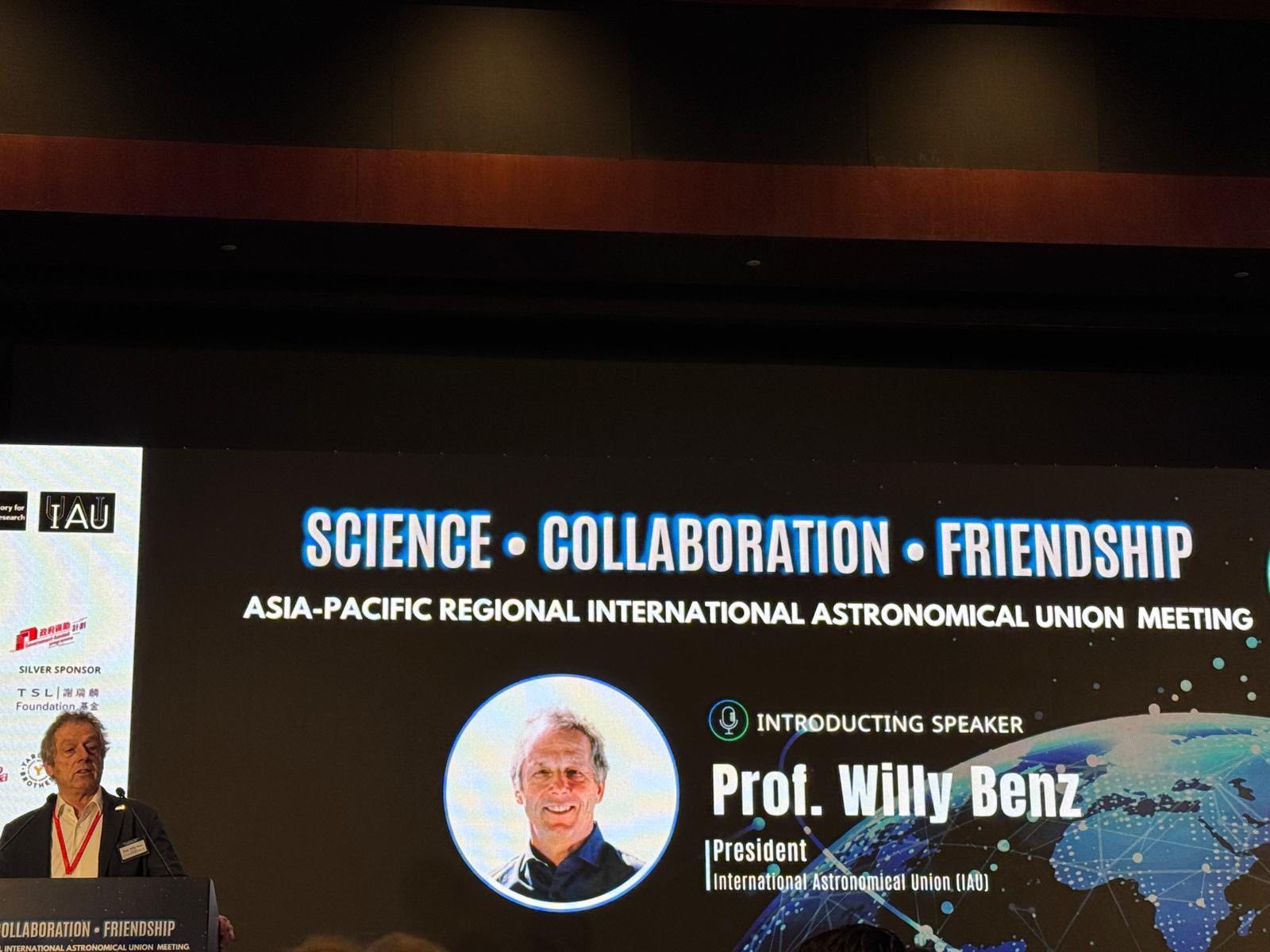
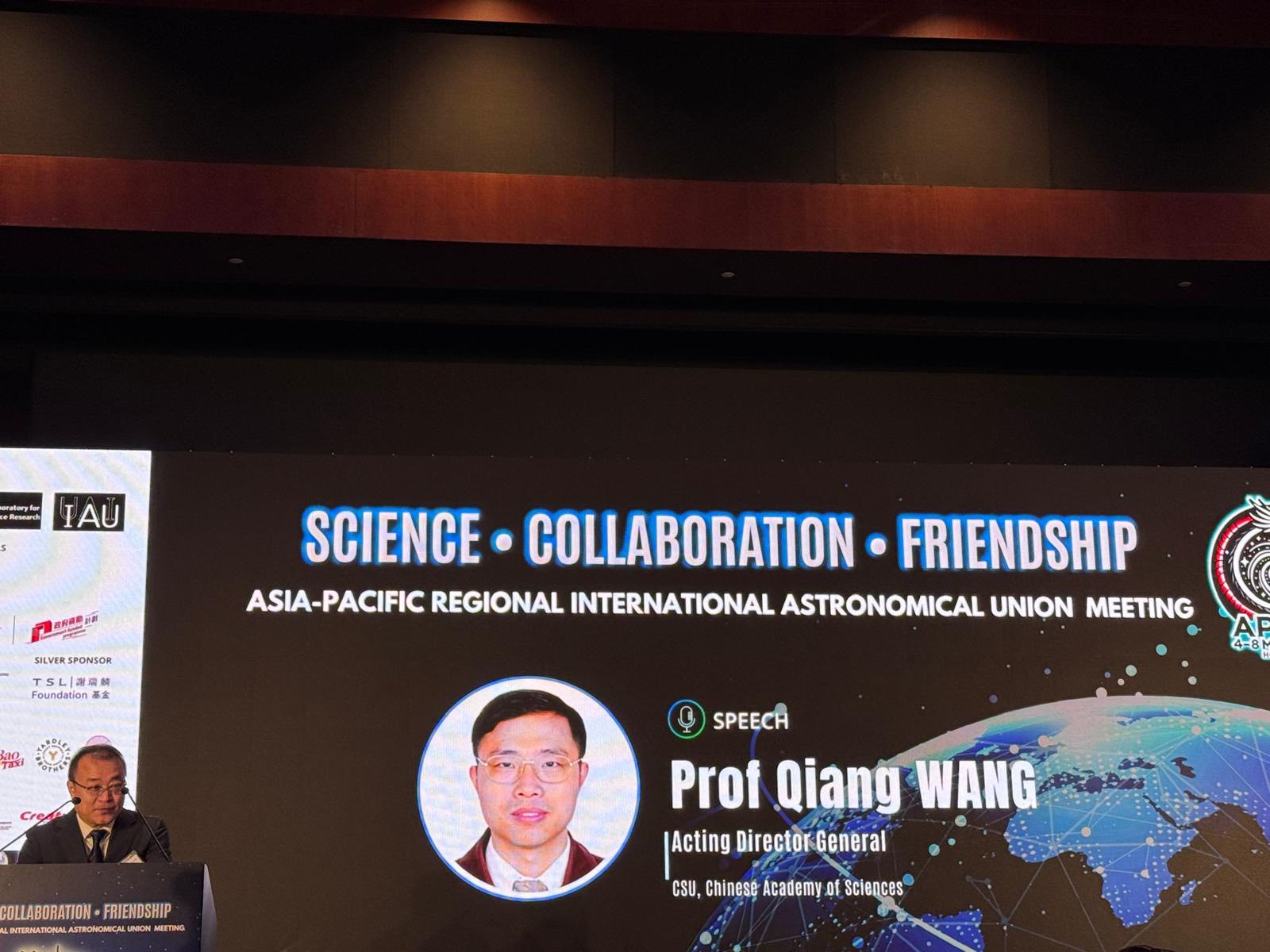
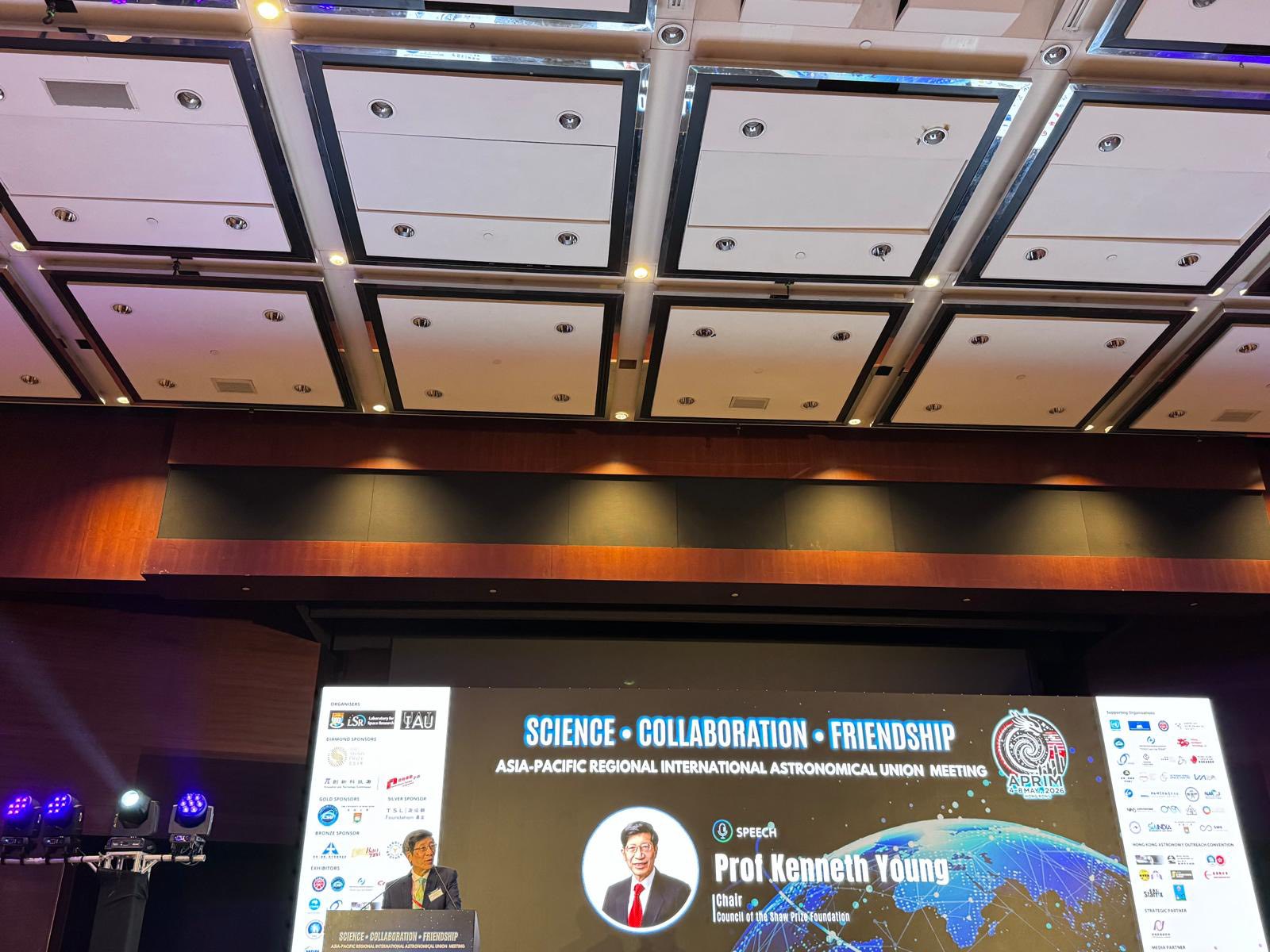
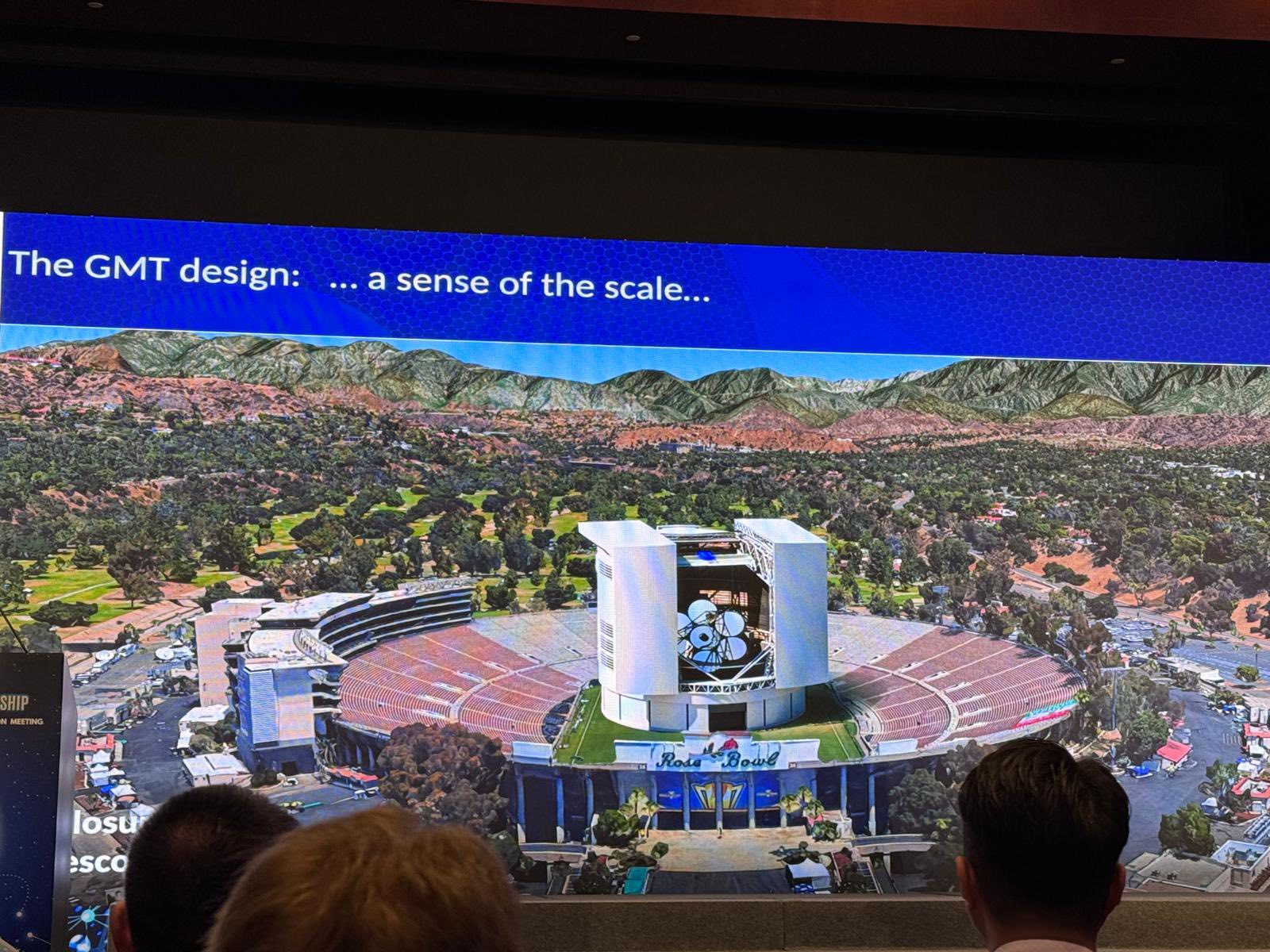
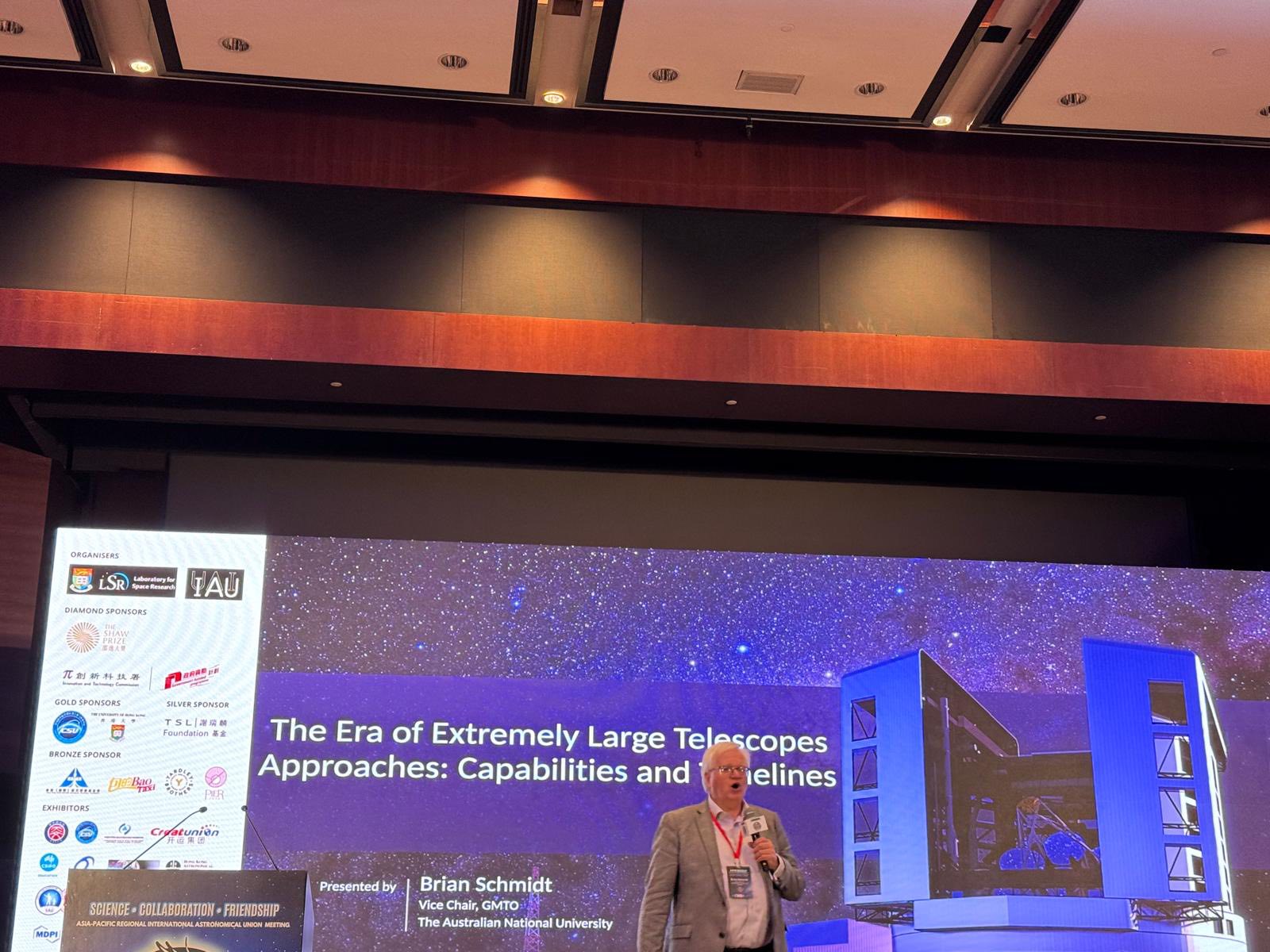
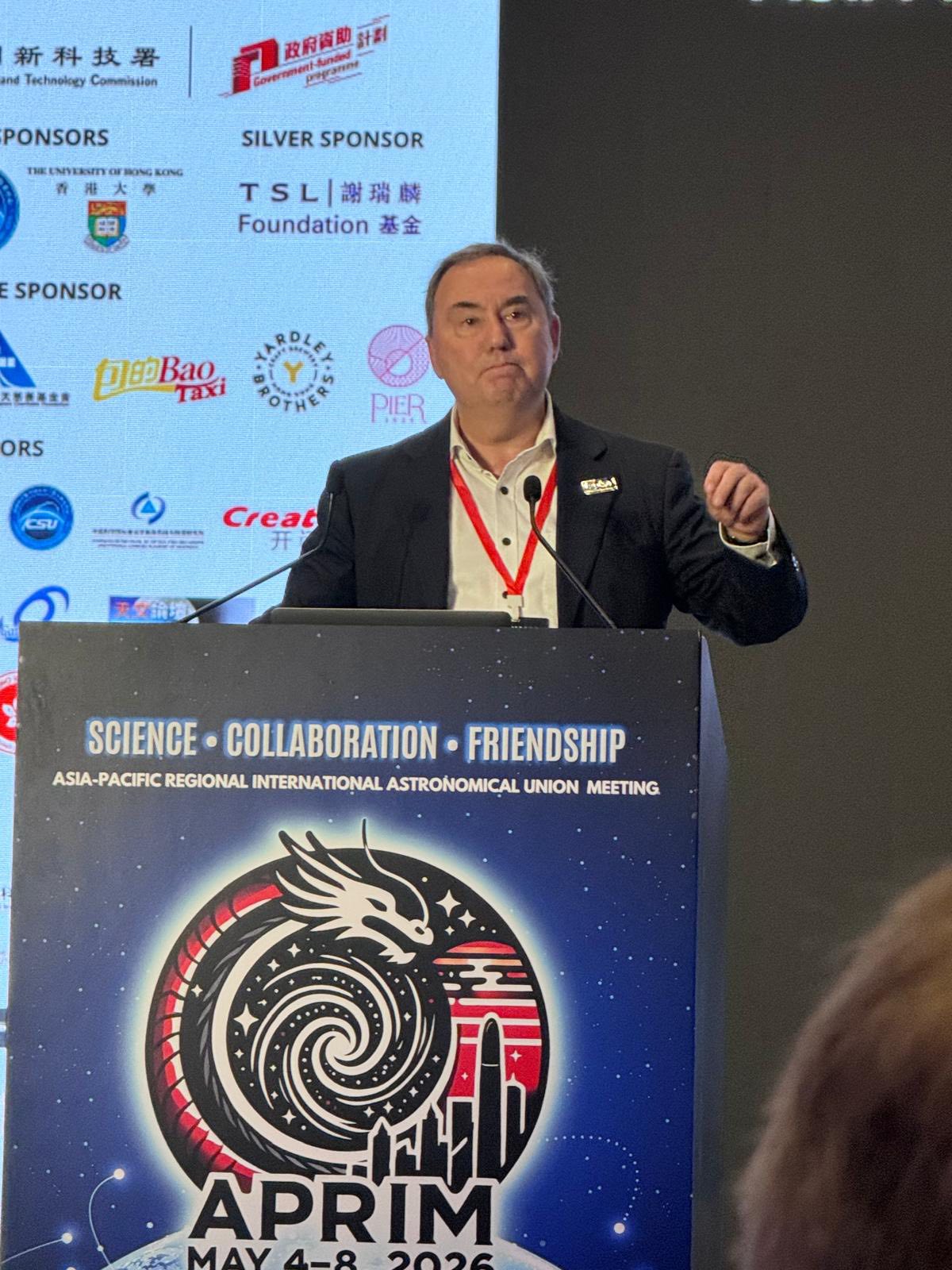
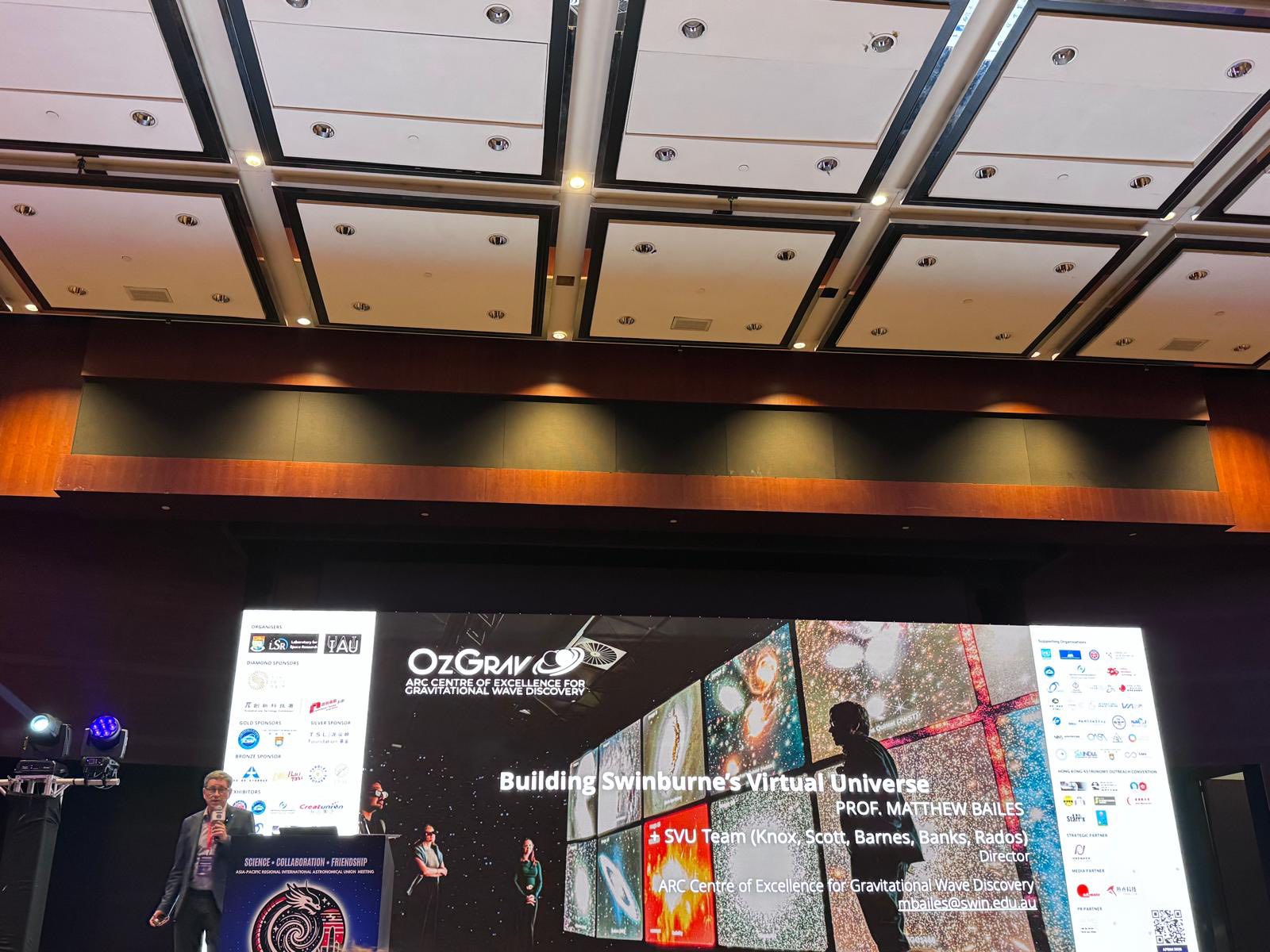
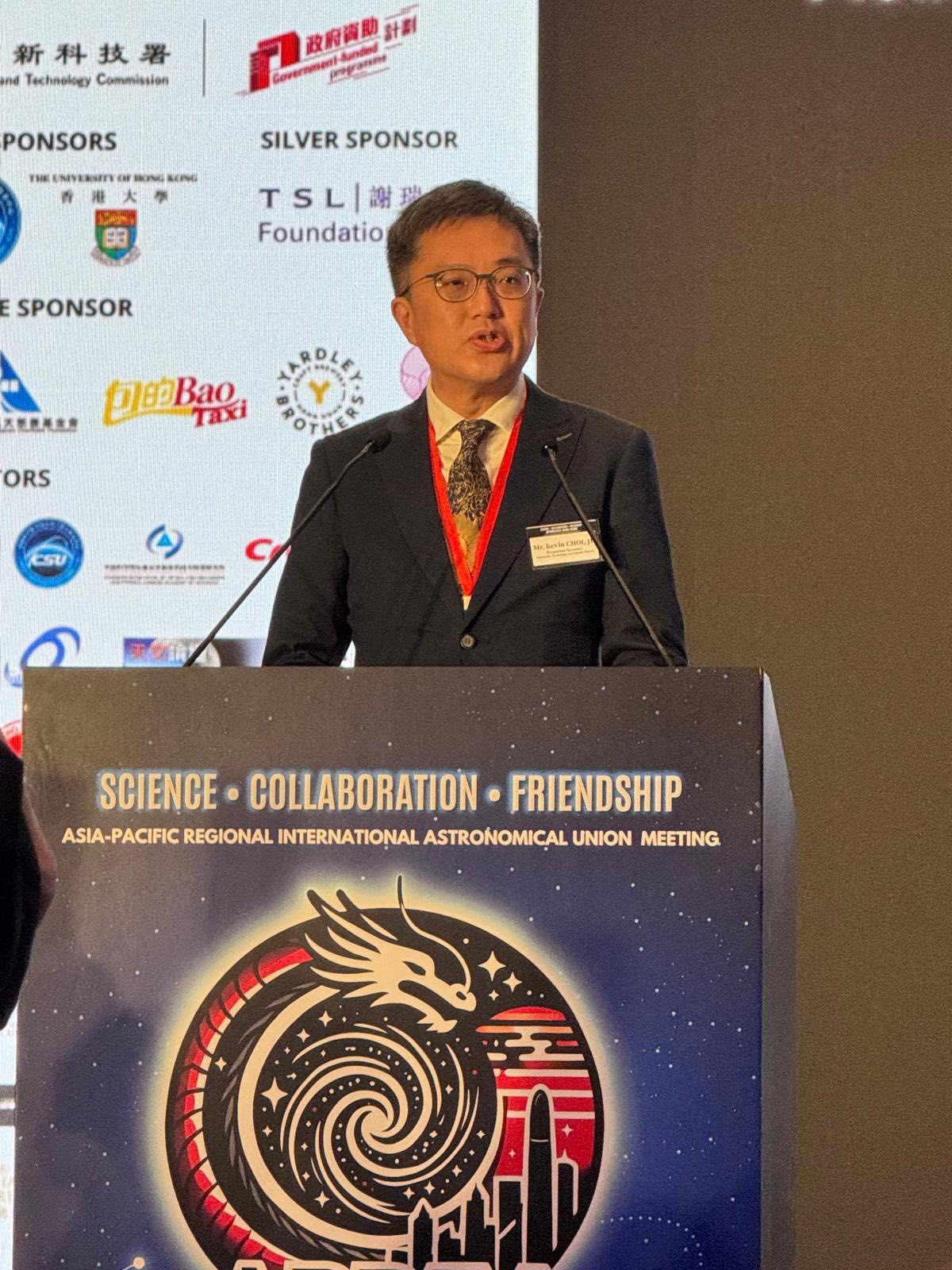
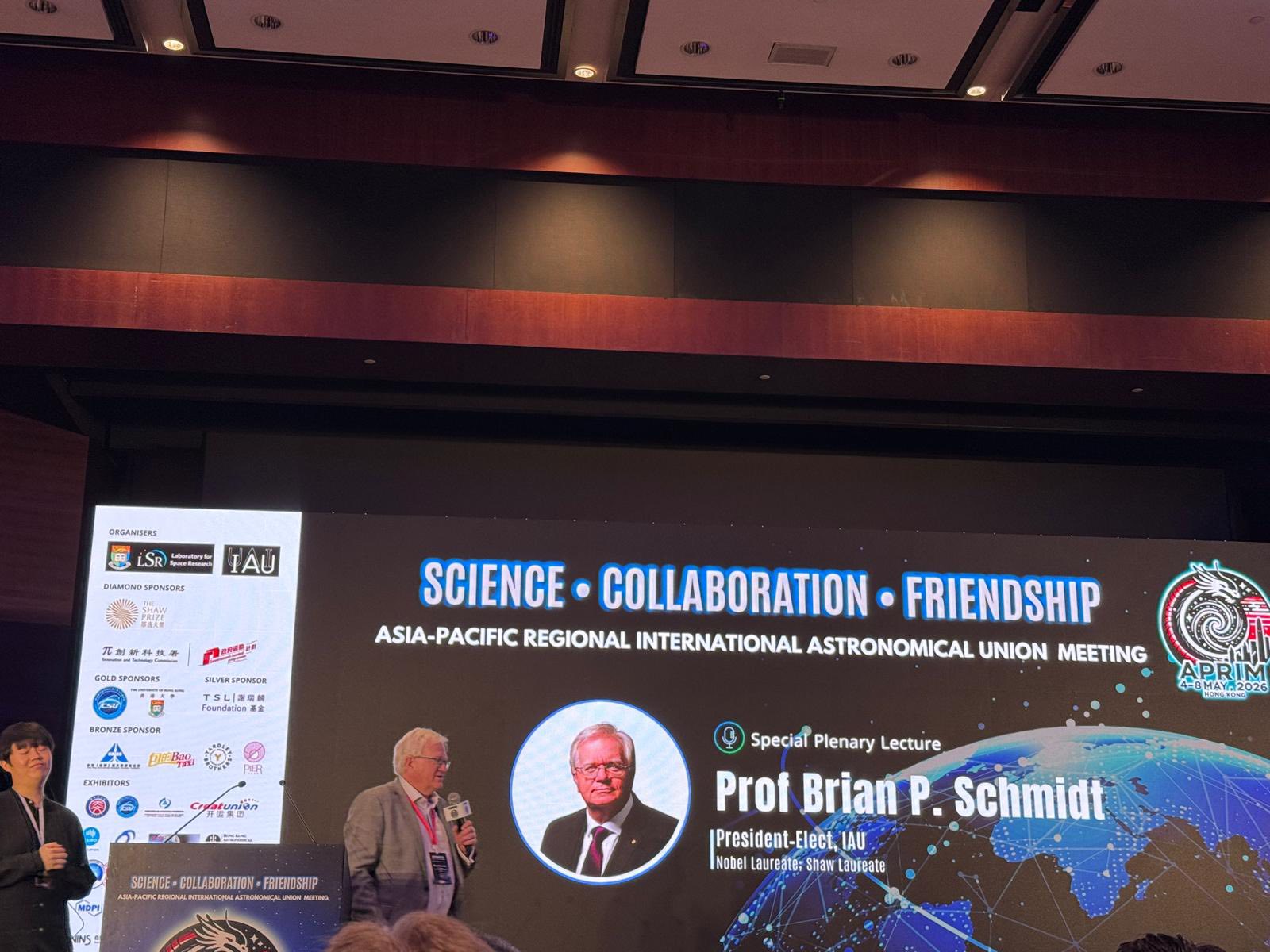
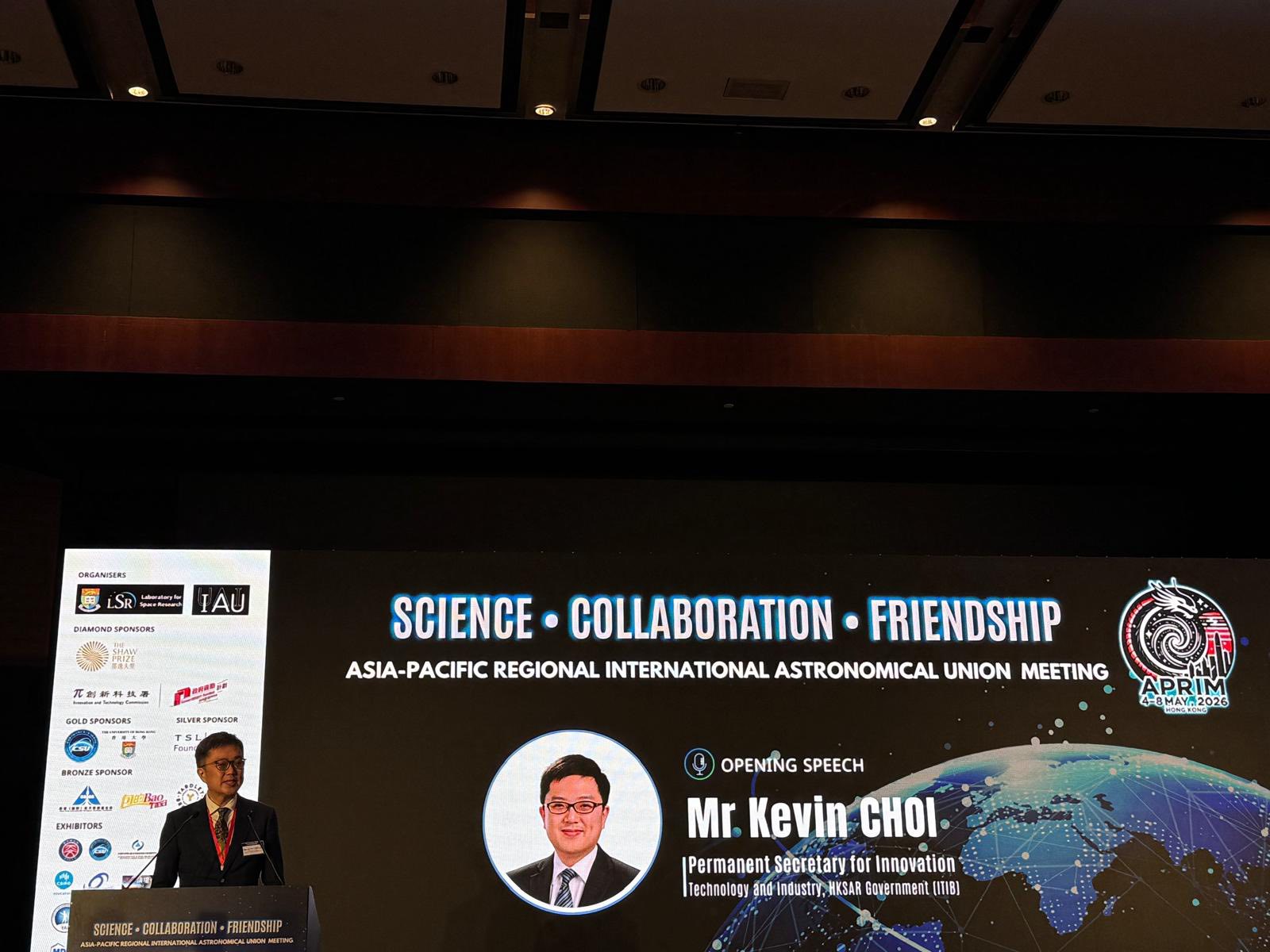
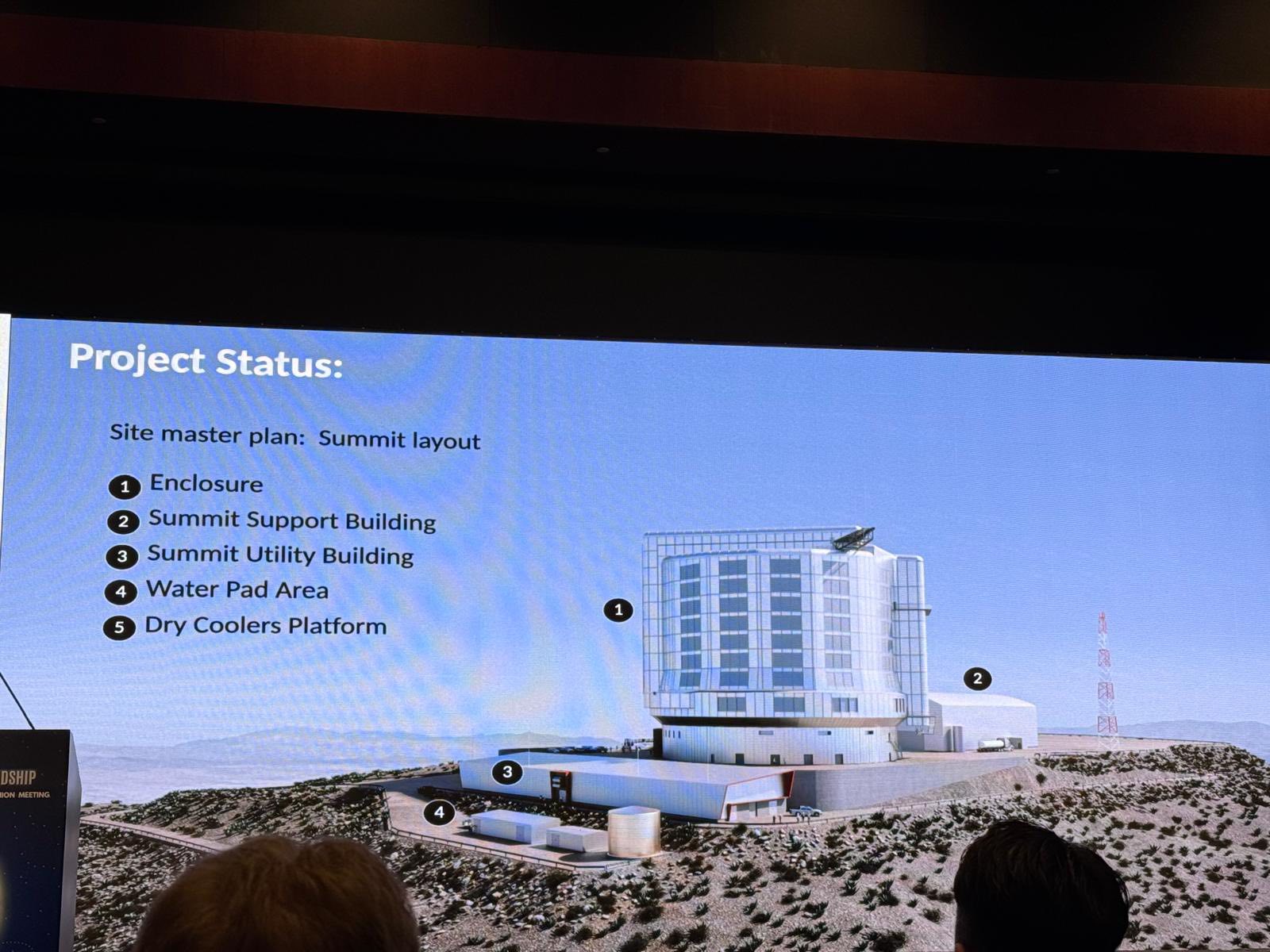
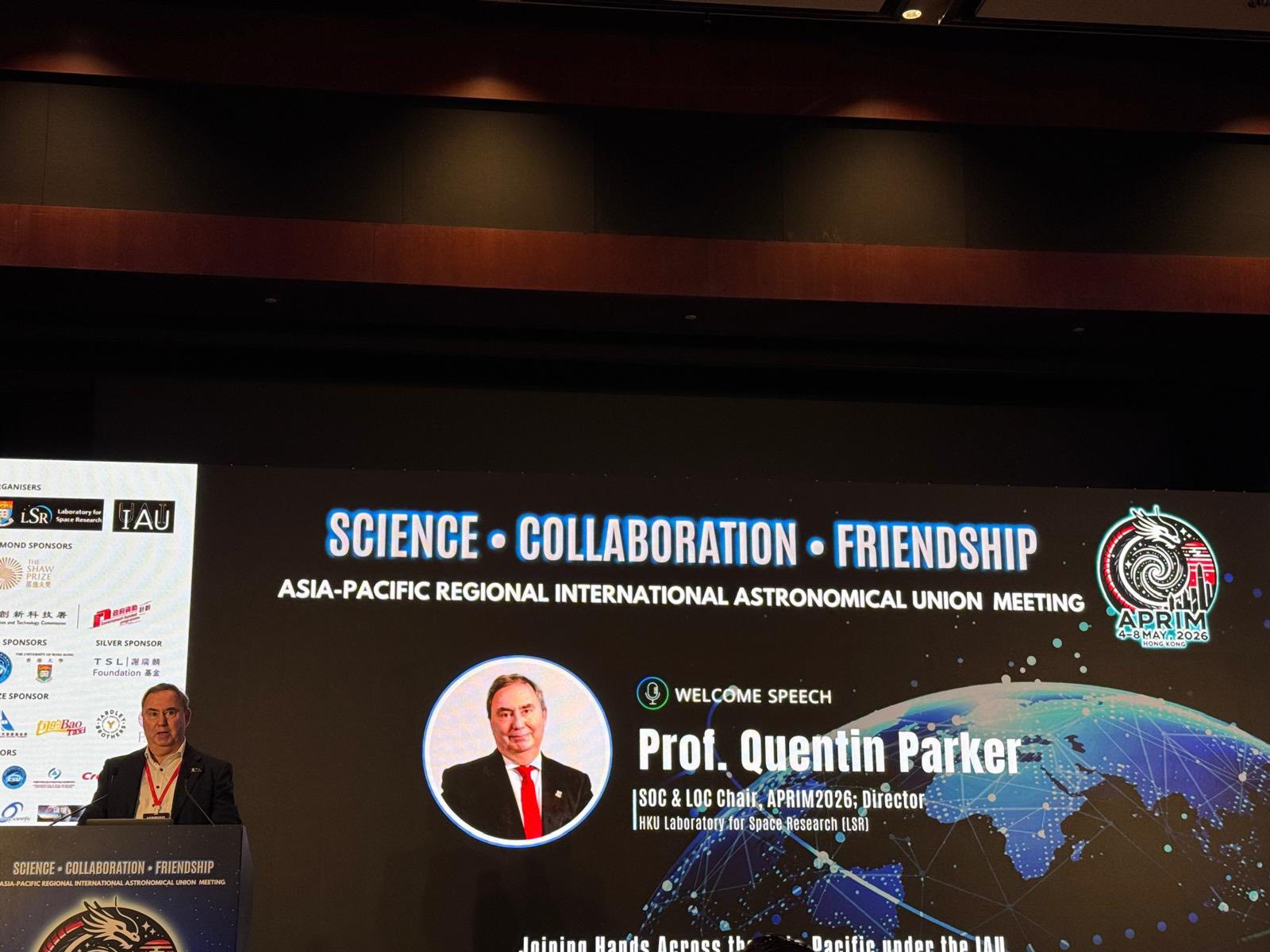
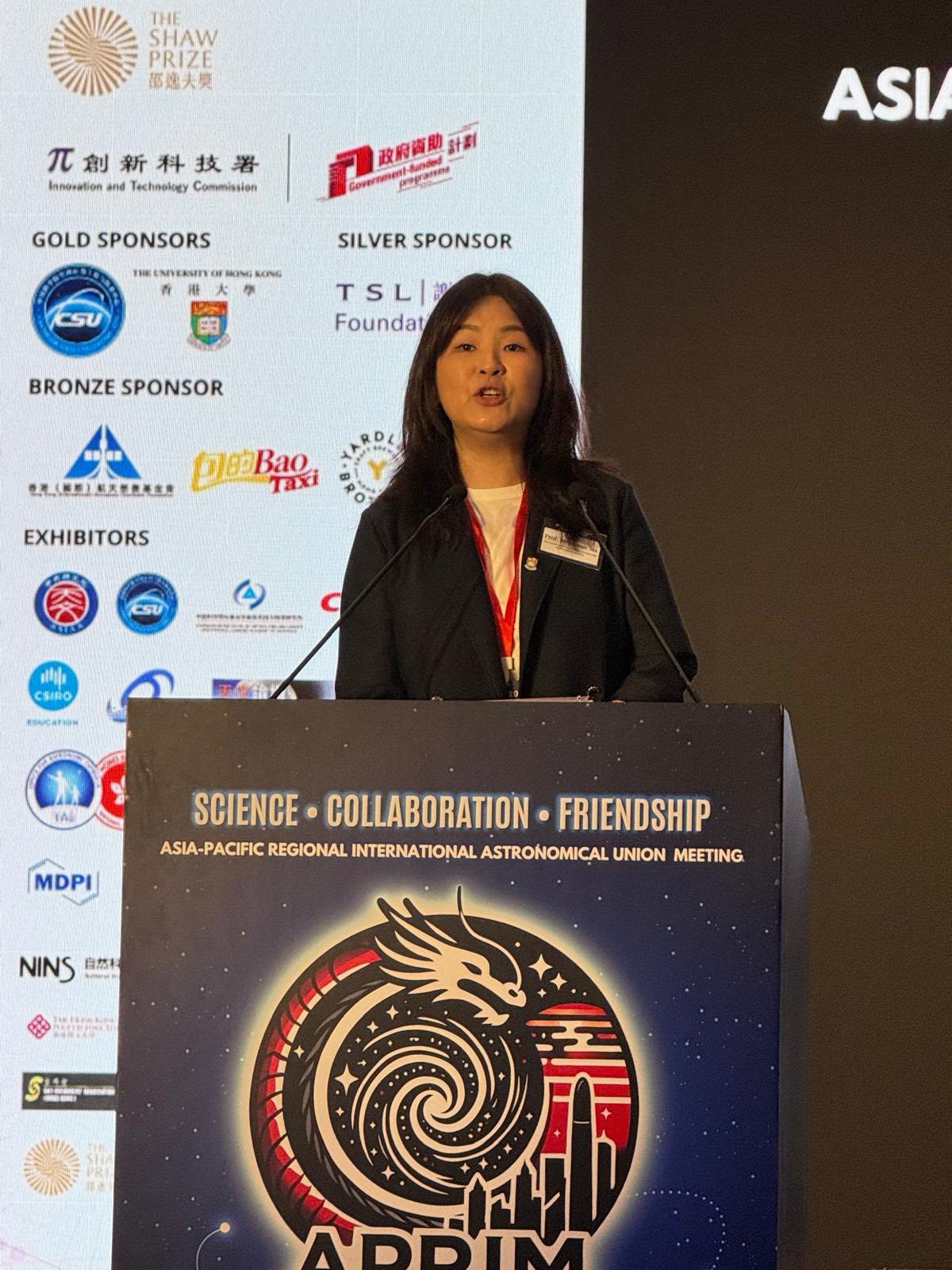
The opening ceremony began with a welcome speech by Prof Quentin Parker, Chair of APRIM2026 and Director of LSR, followed by opening speeches from Kevin Choi, Permanent Secretary for Innovation, Technology and Industry, and Prof Stephanie Ma, Vice-President and Pro-Vice-Chancellor (Research). Other remarks were delivered by Prof Willy Benz, Prof Qiang Wang, Prof Kenneth Young, and Prof Xuejun Zhang. Throughout the week, there will be many important lectures and speeches, including the Shaw Plenary Lecture by Nobel and Shaw Prize laureates, Prof Brian Schmidt and Prof Matthew Bailes.
Beyond the conference program, the host has arranged a Welcome Reception, a Grand Dinner Cruise, and an Orchestral Concert to introduce Hong Kong’s historic background to all participants, who have come from 37 countries and regions. This will allow participants not only to be inspired by frontier findings shared through high-impact talks, but also to be connected through enriching cultural exchanges—together celebrating Hong Kong’s heritage and strengthening the bonds that will motivate the next generation of scientists to dream bigger, collaborate closer, and reach further.
By continuing to browse this site, you agree to the use of cookies to generate visit statistics.
