
Back to Media Centre


20 April 2026
Visiting the Choi Shek Lane Light Public Housing
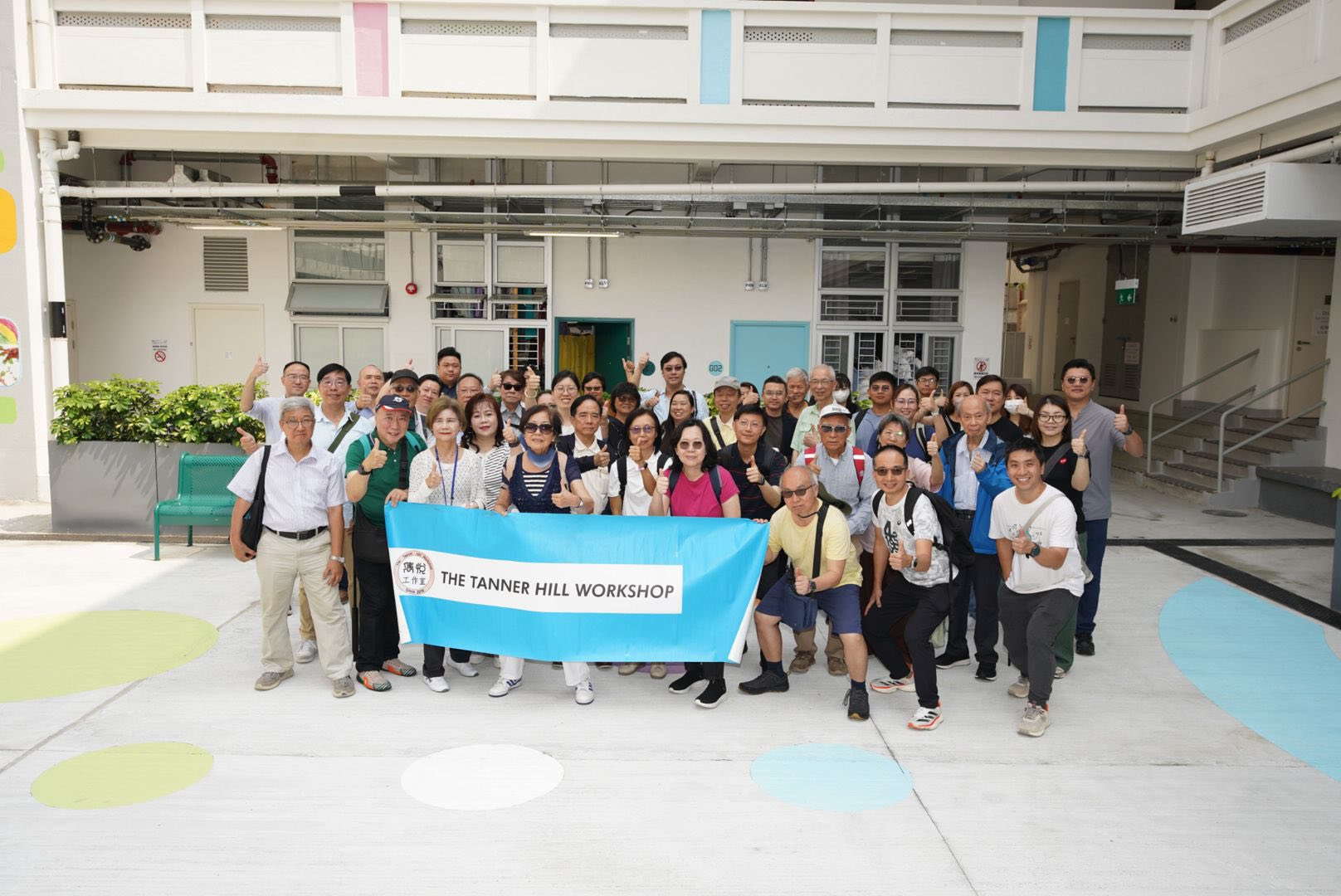
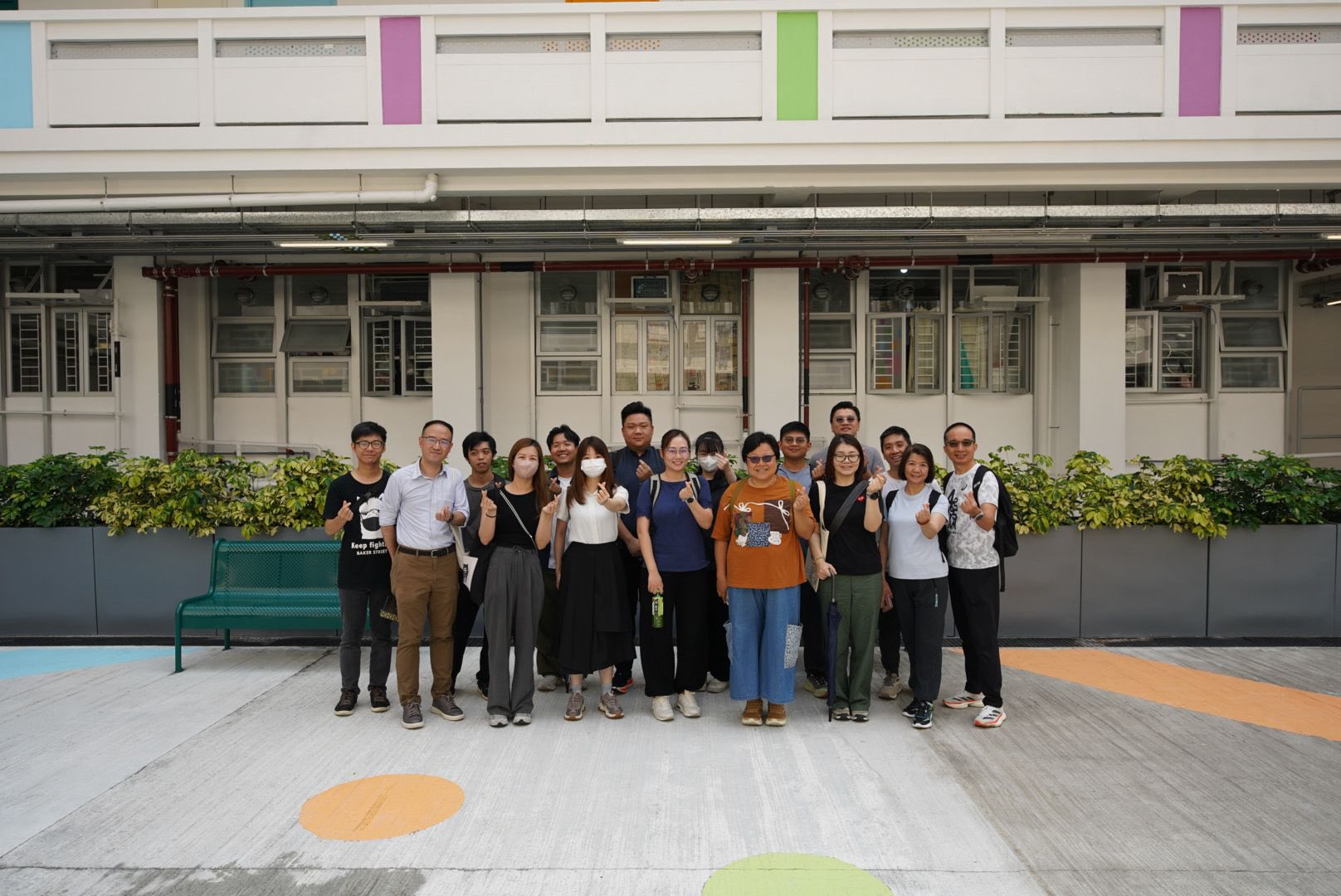
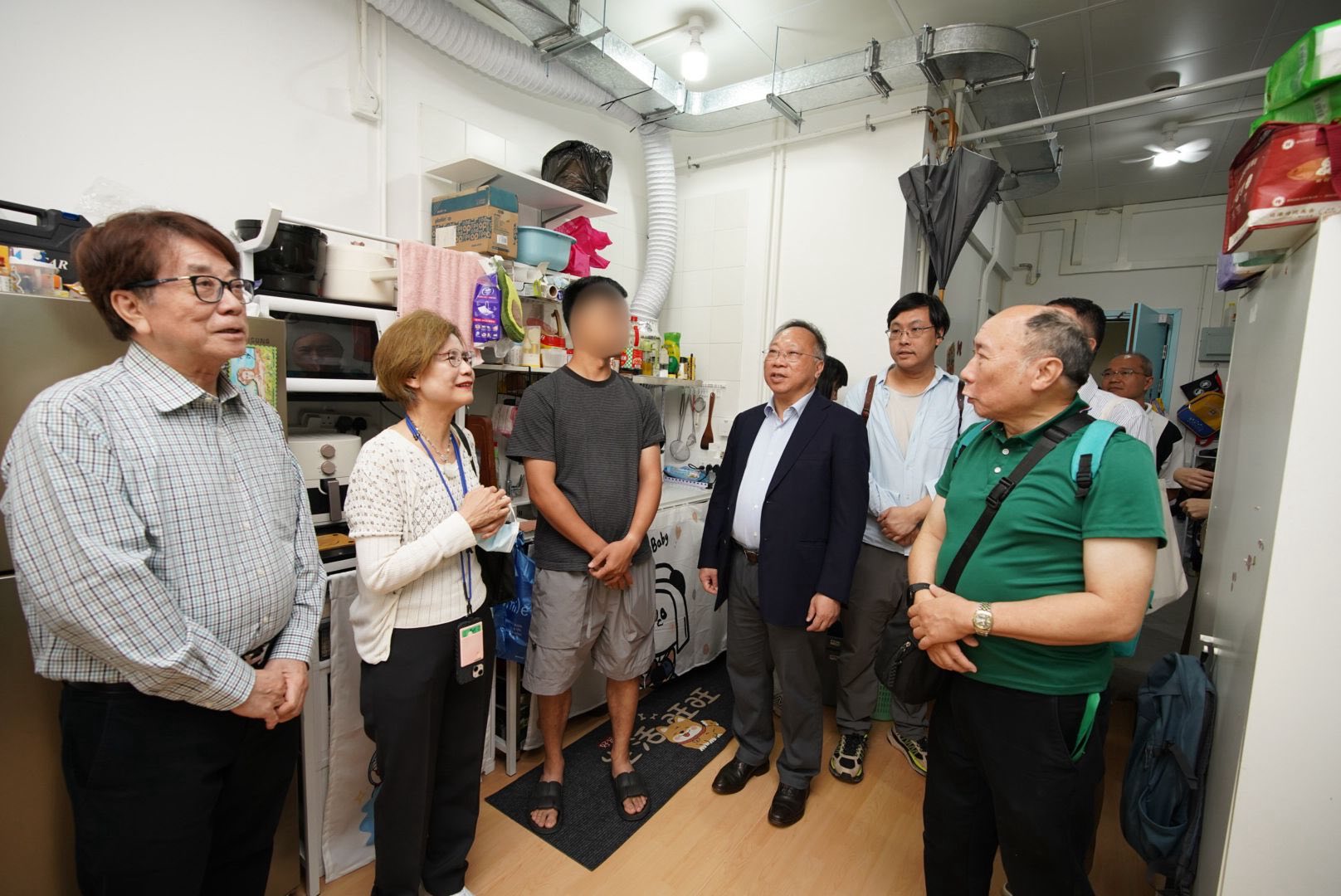
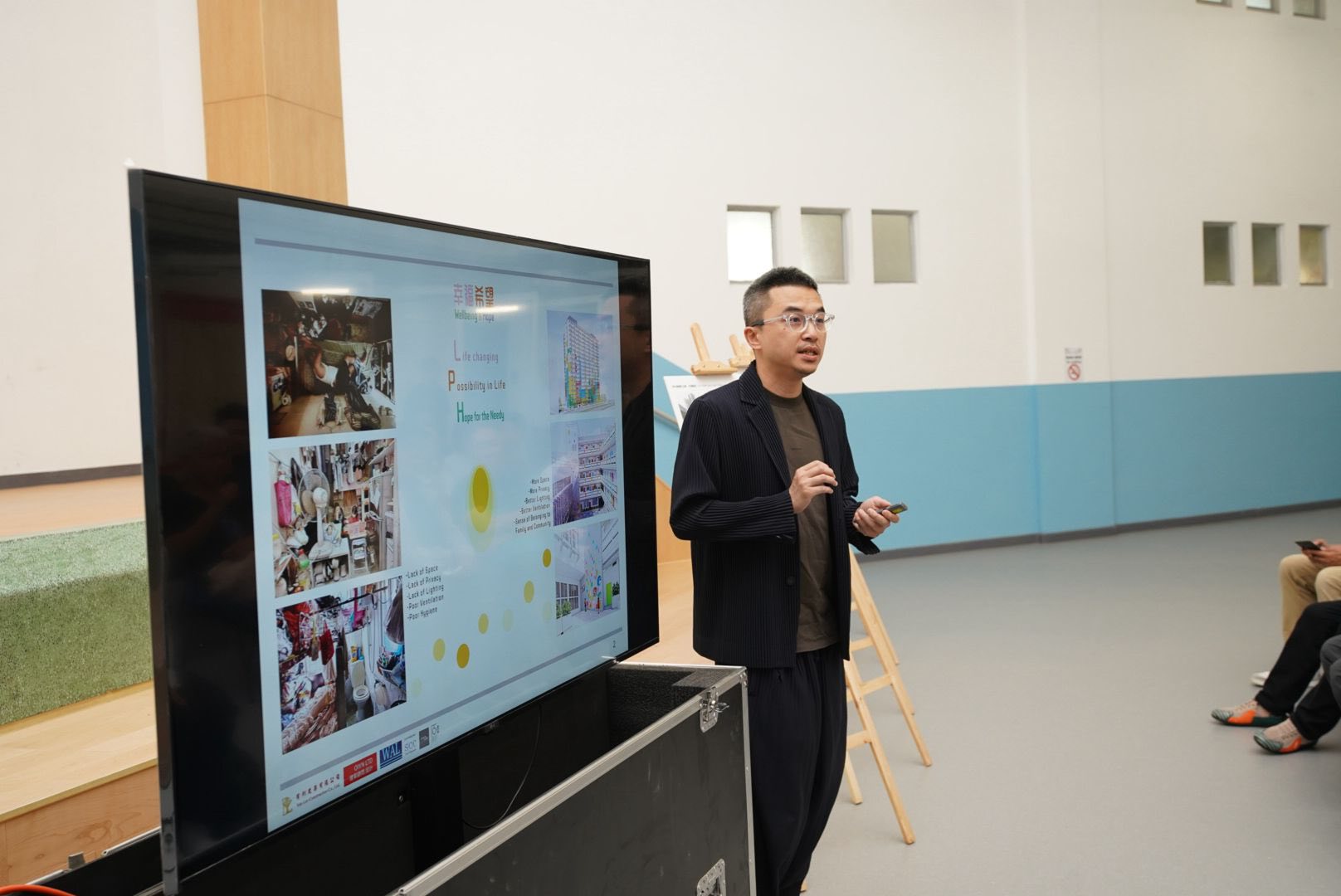
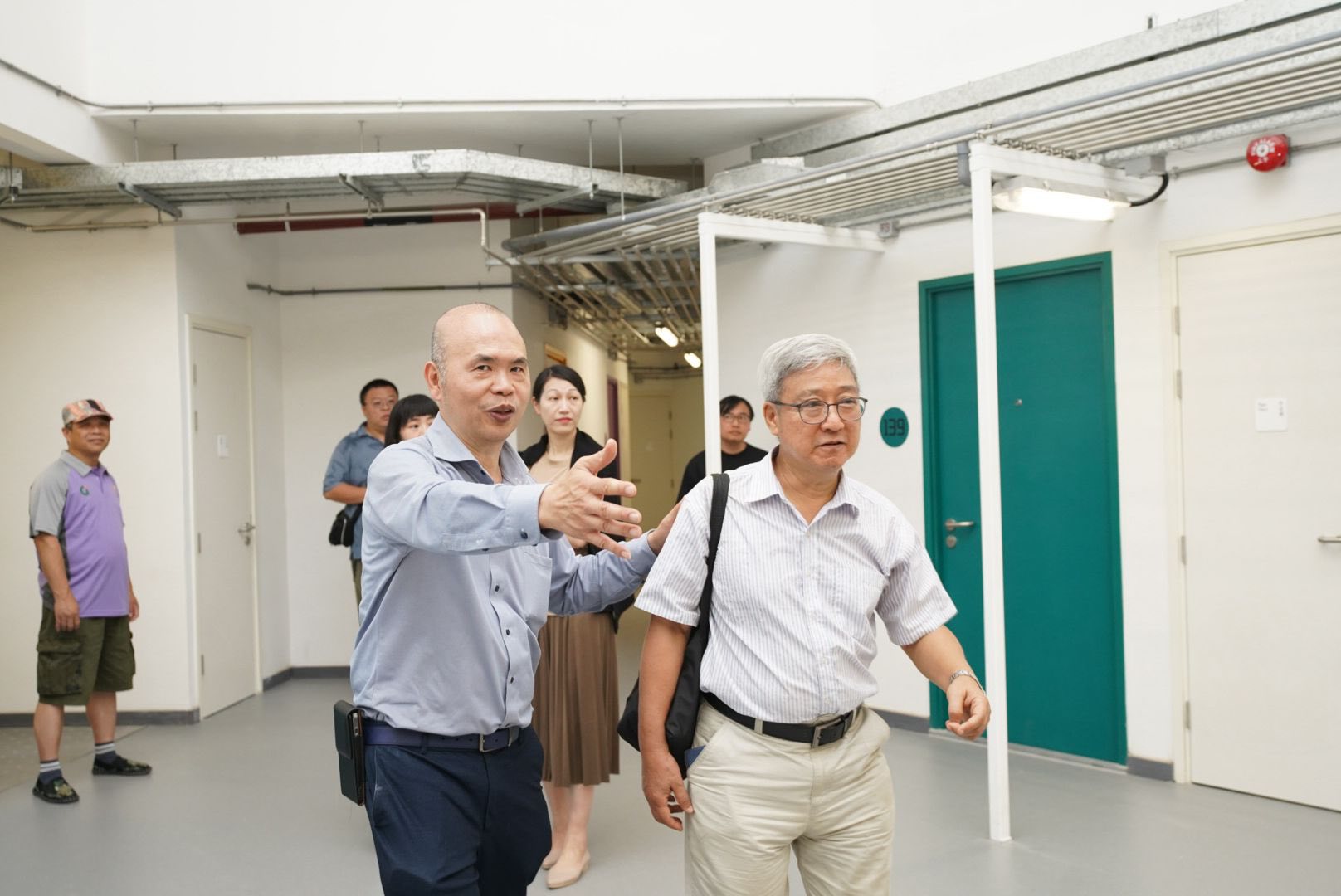
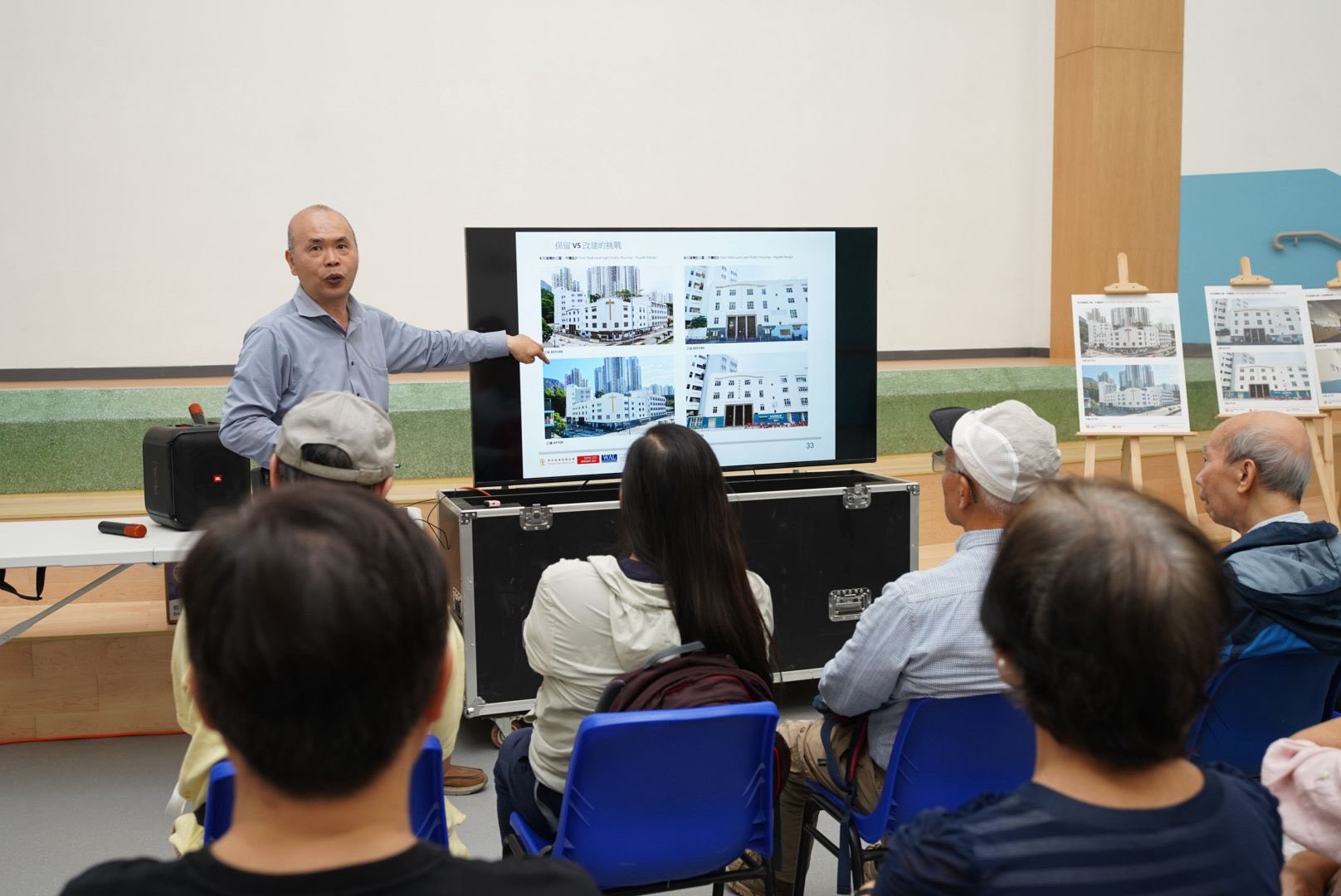
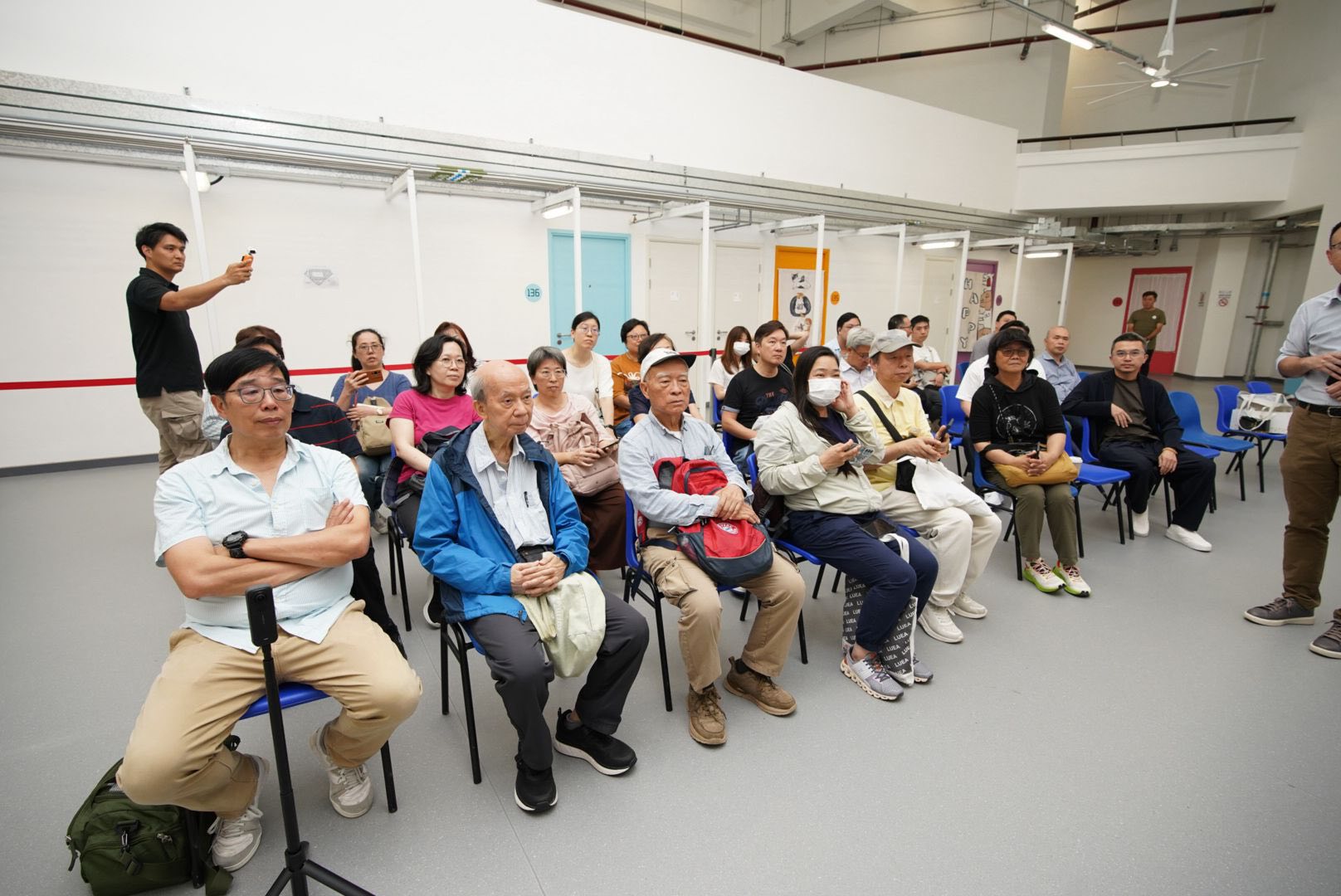
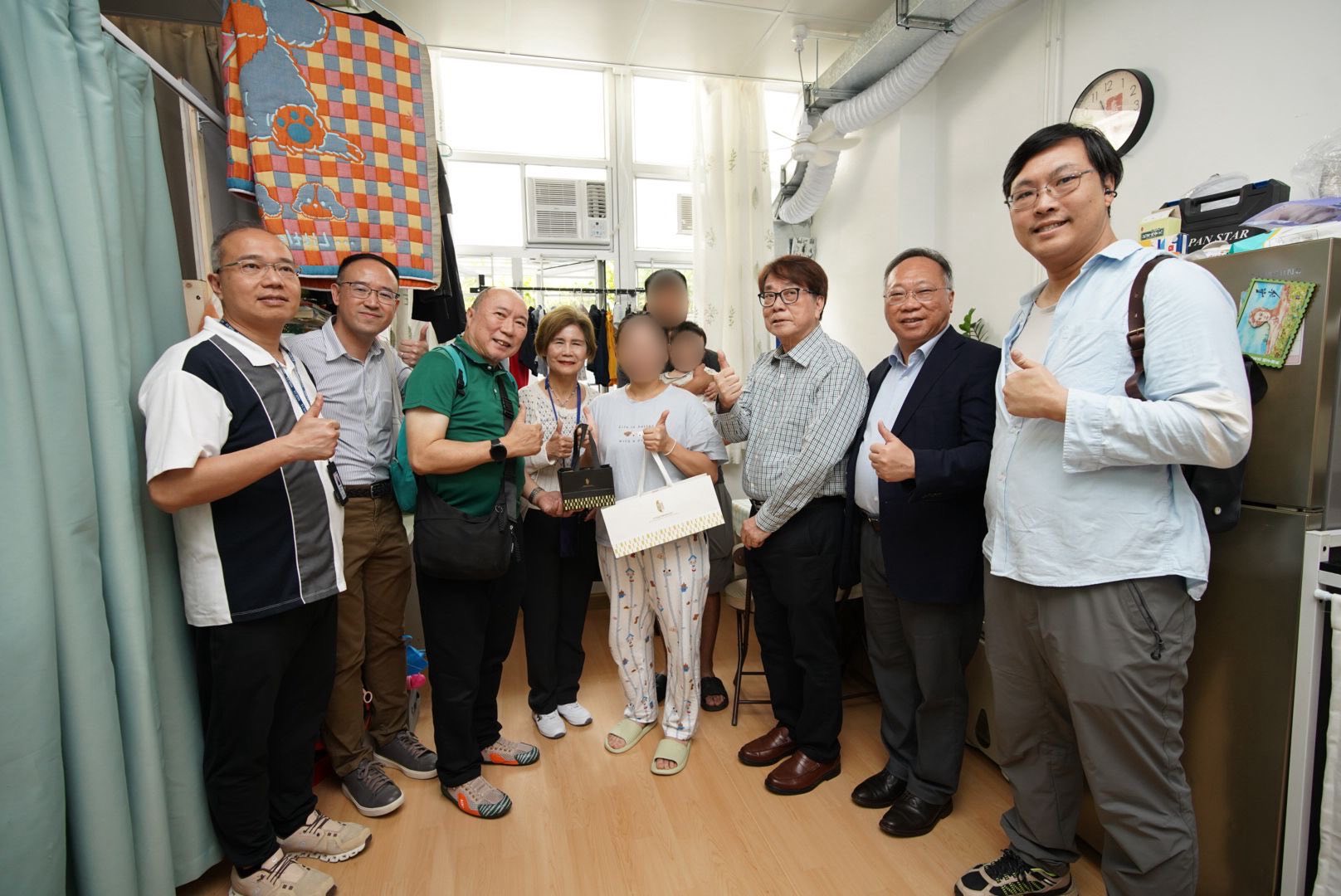
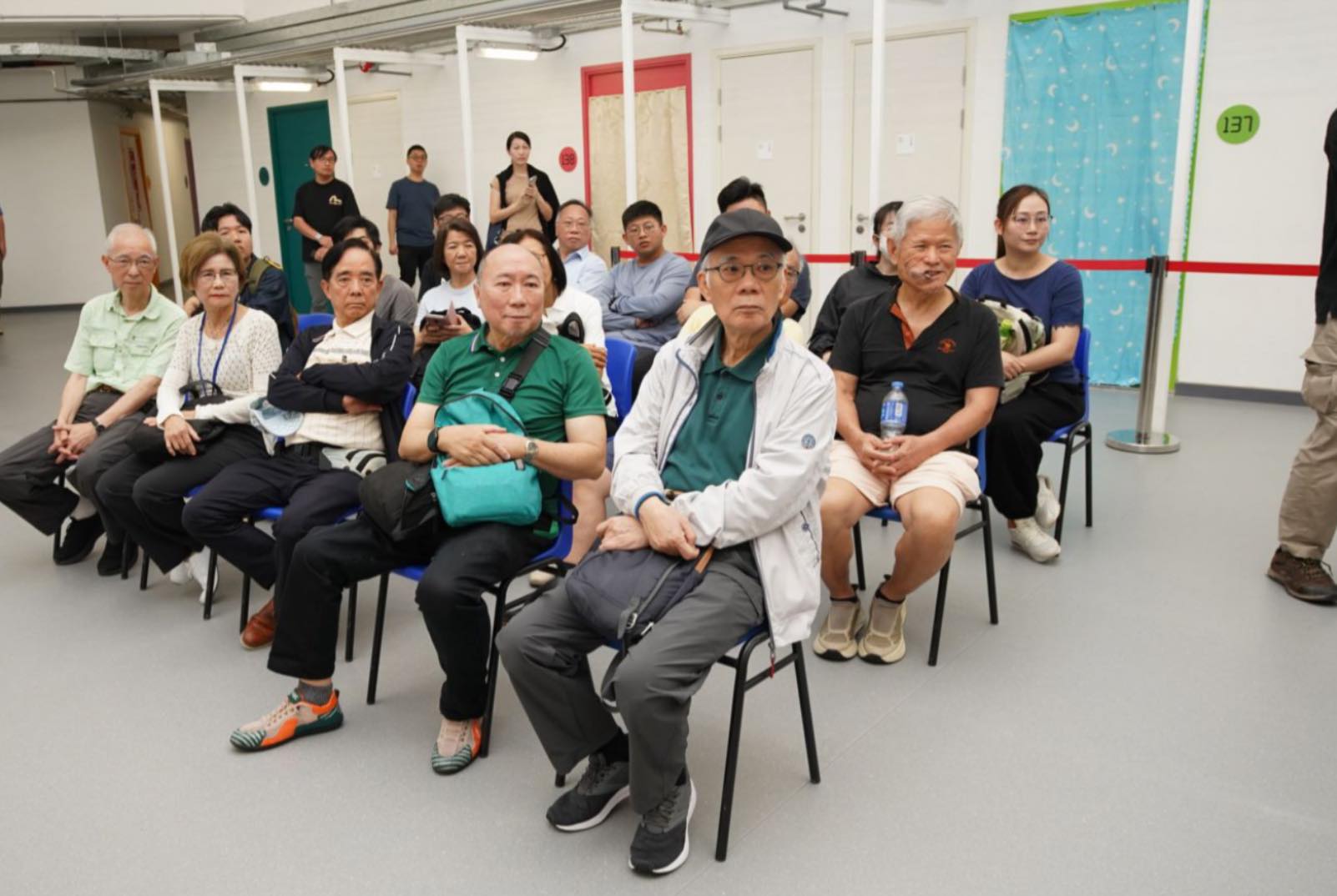
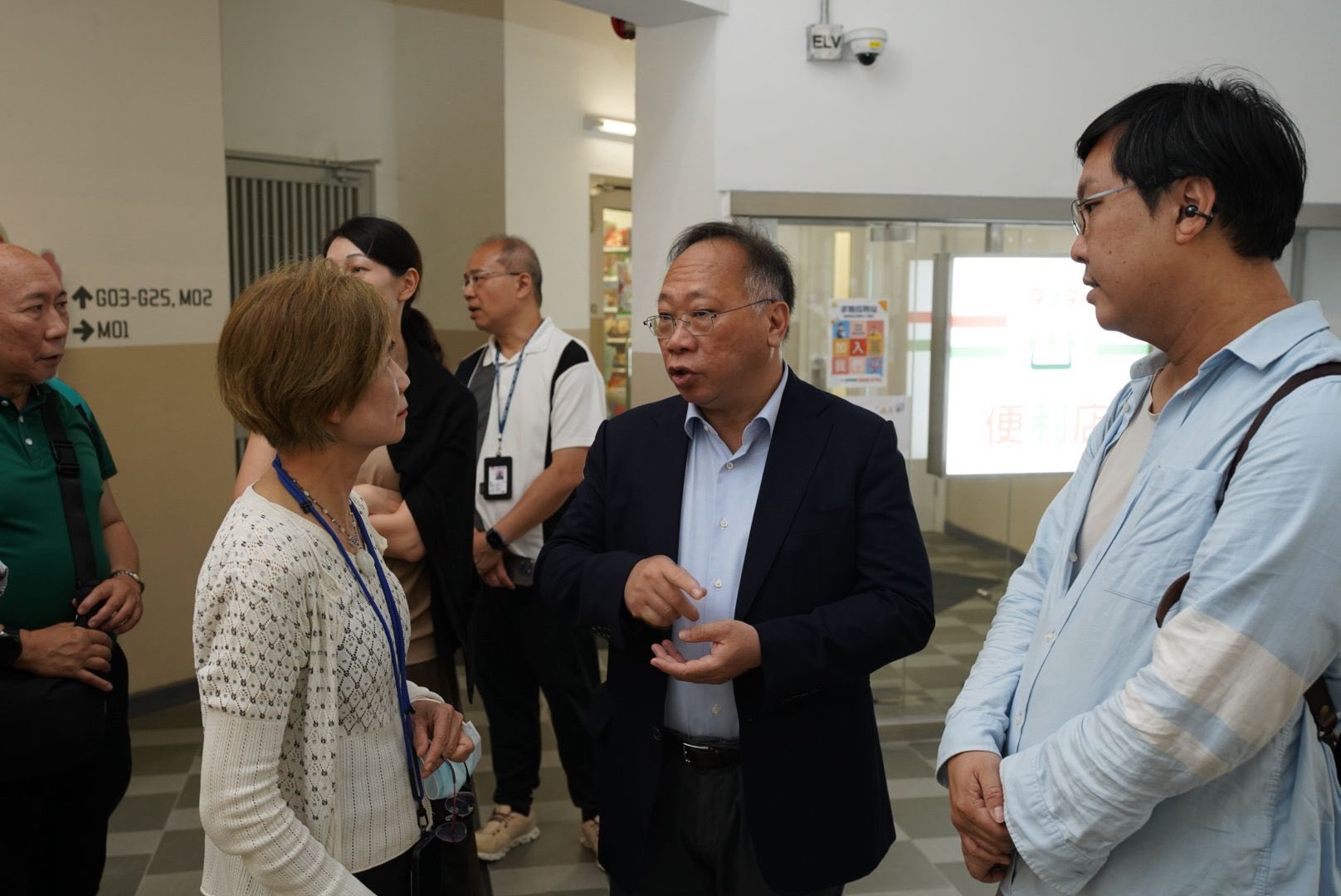
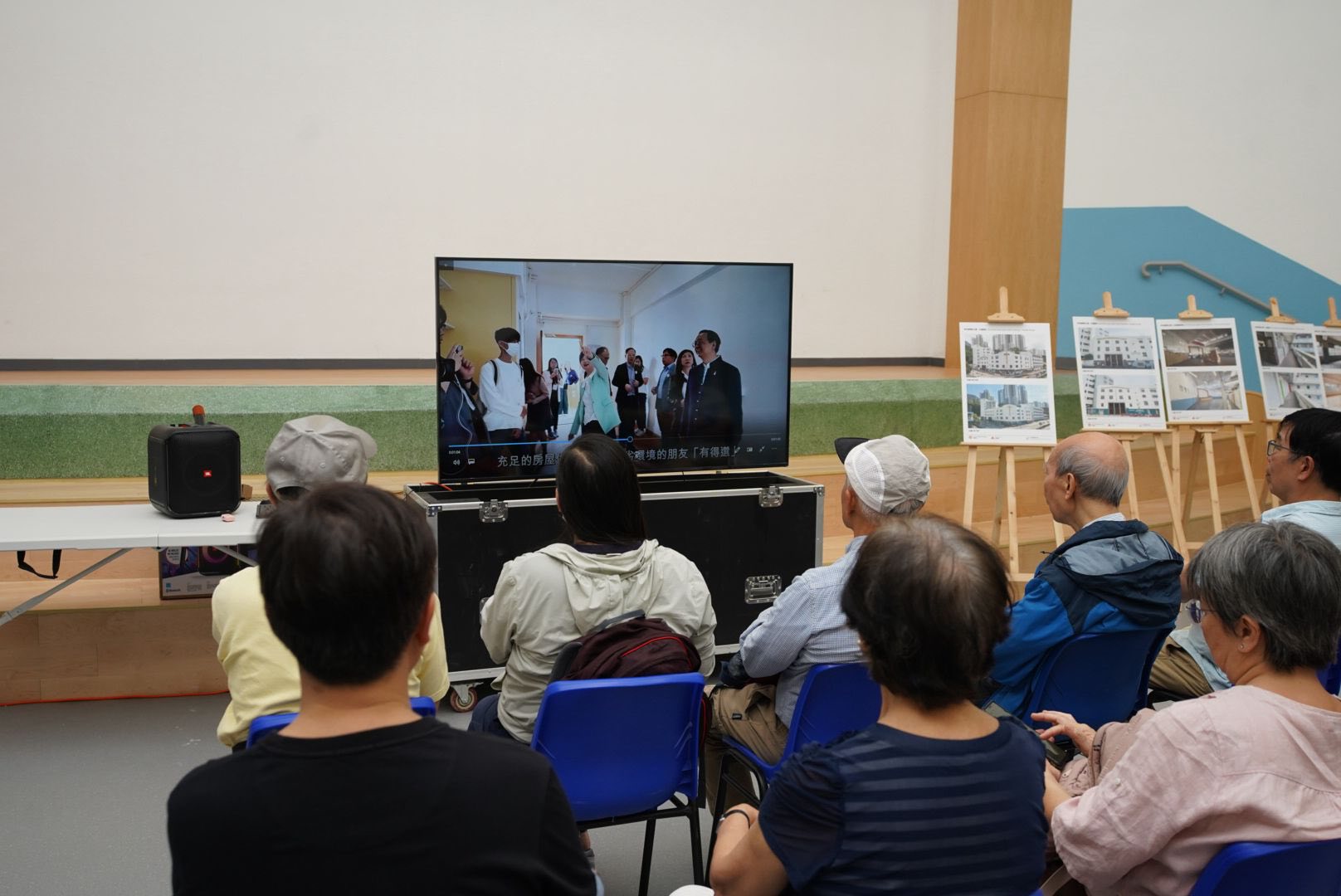
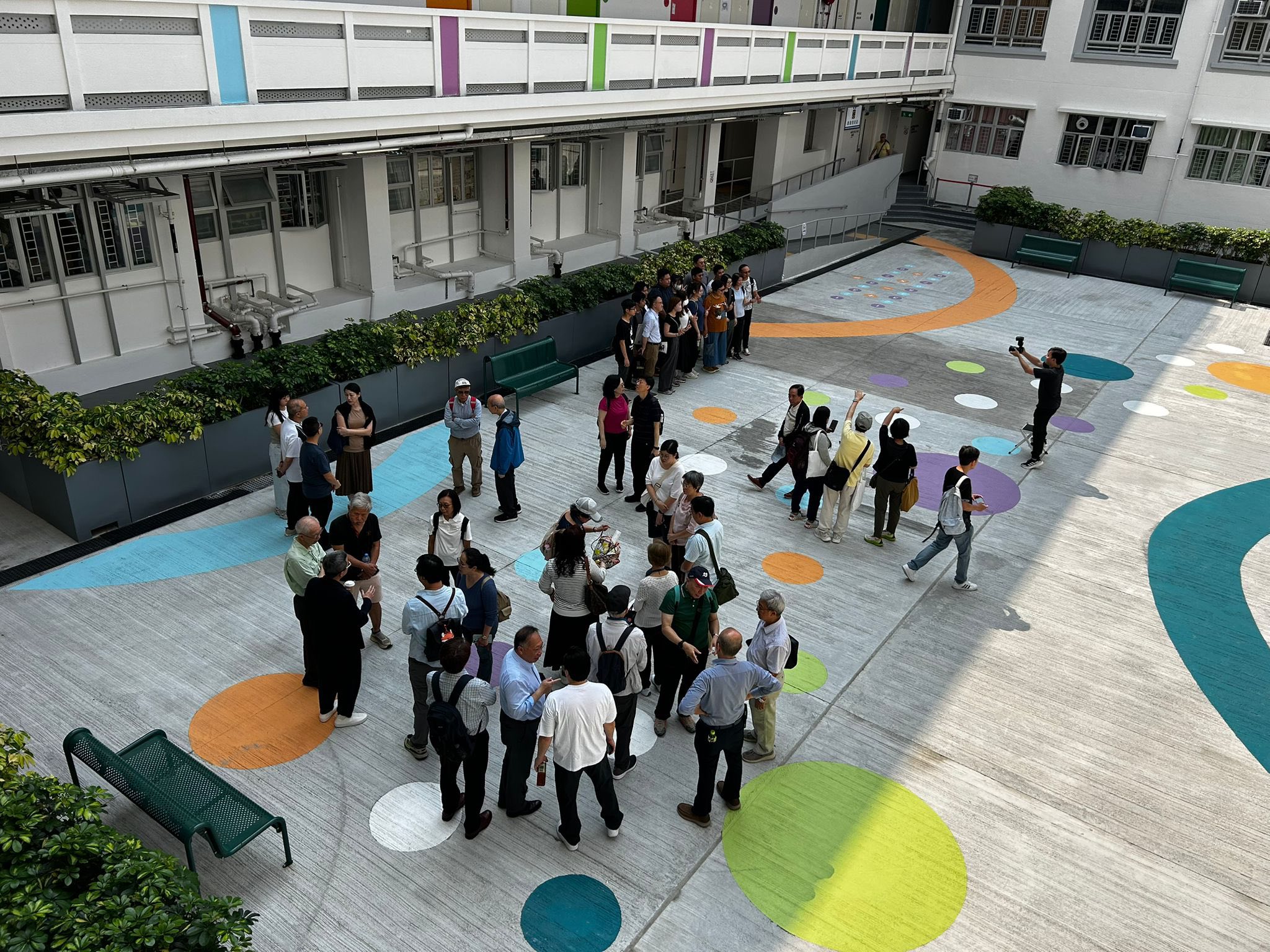
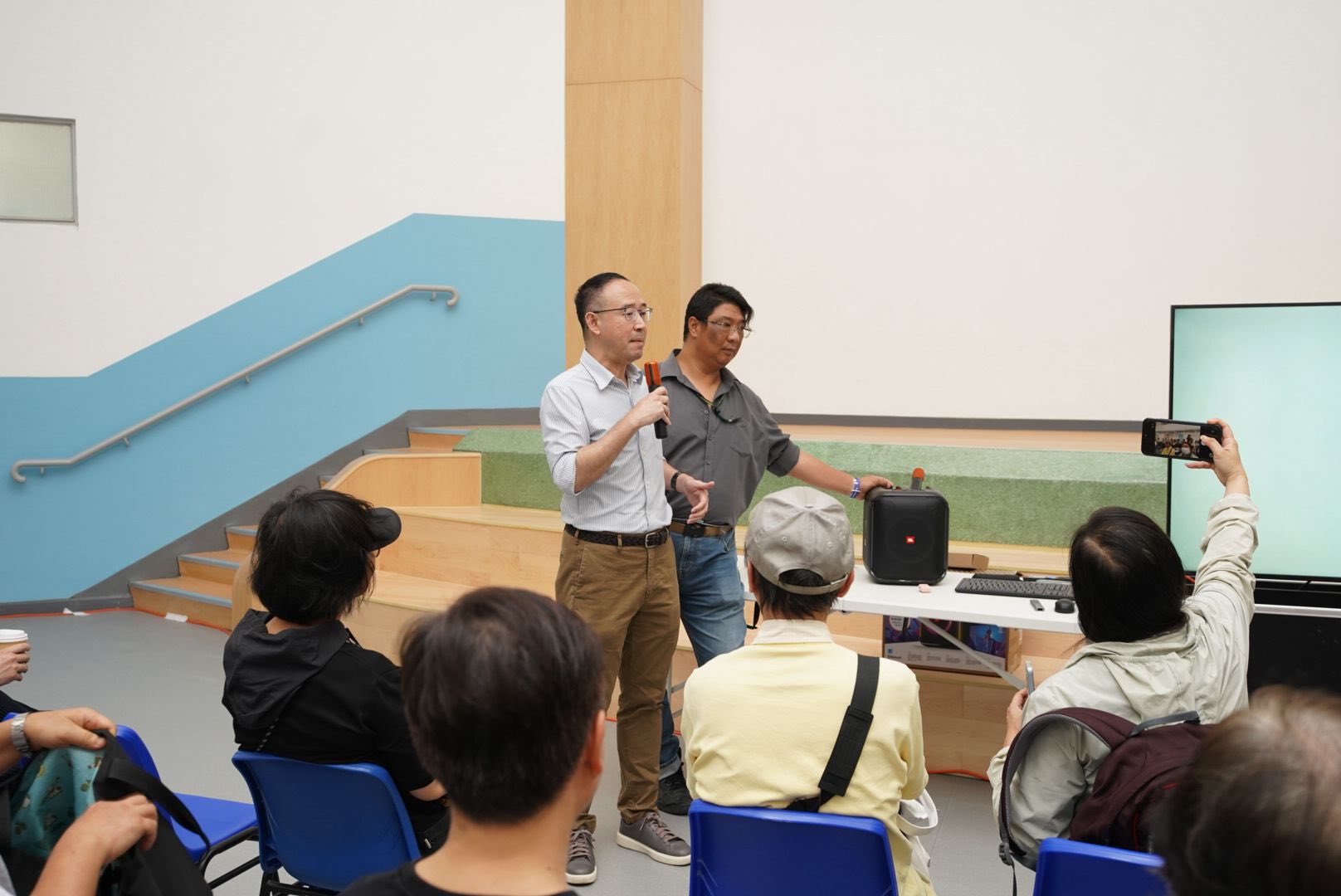
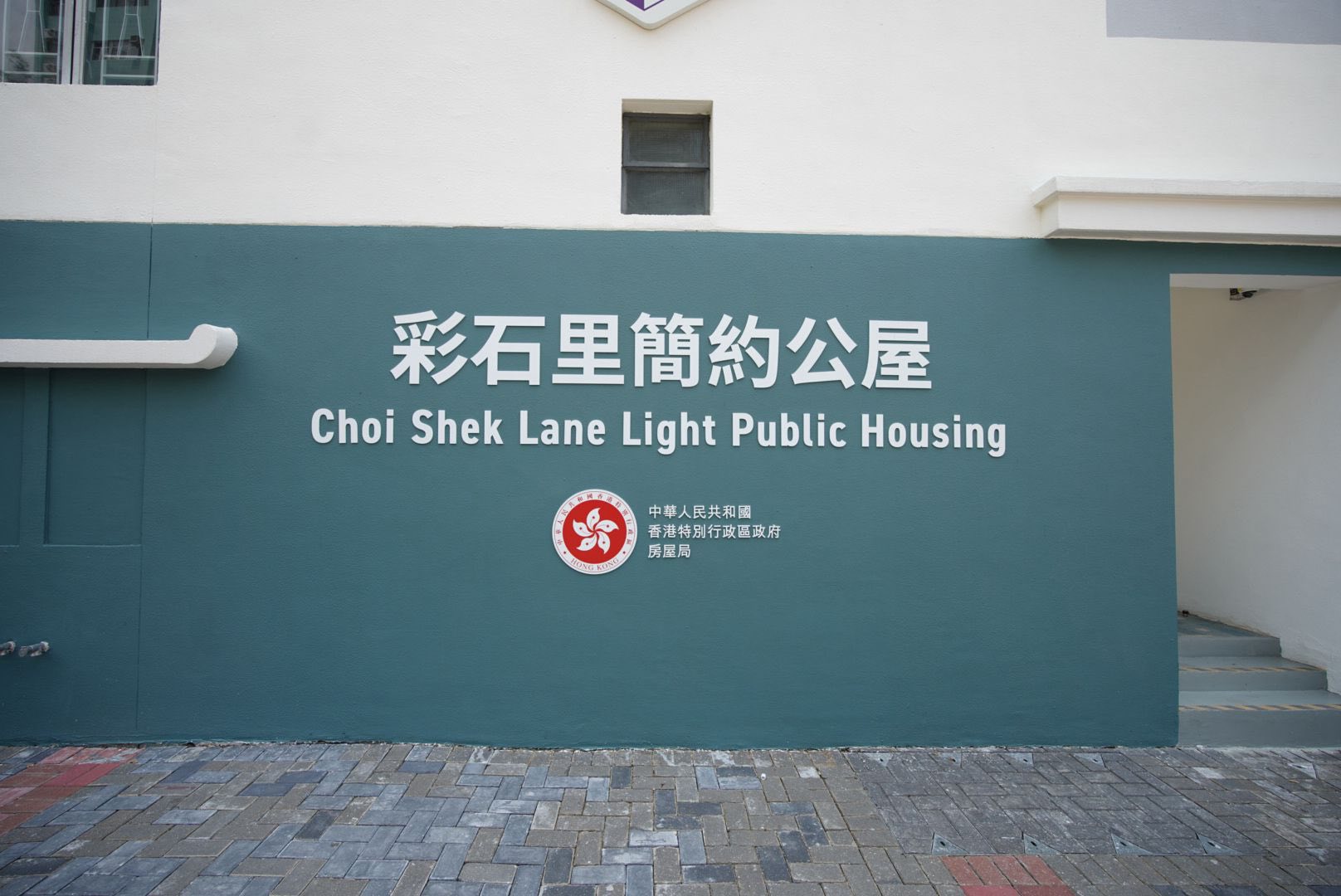
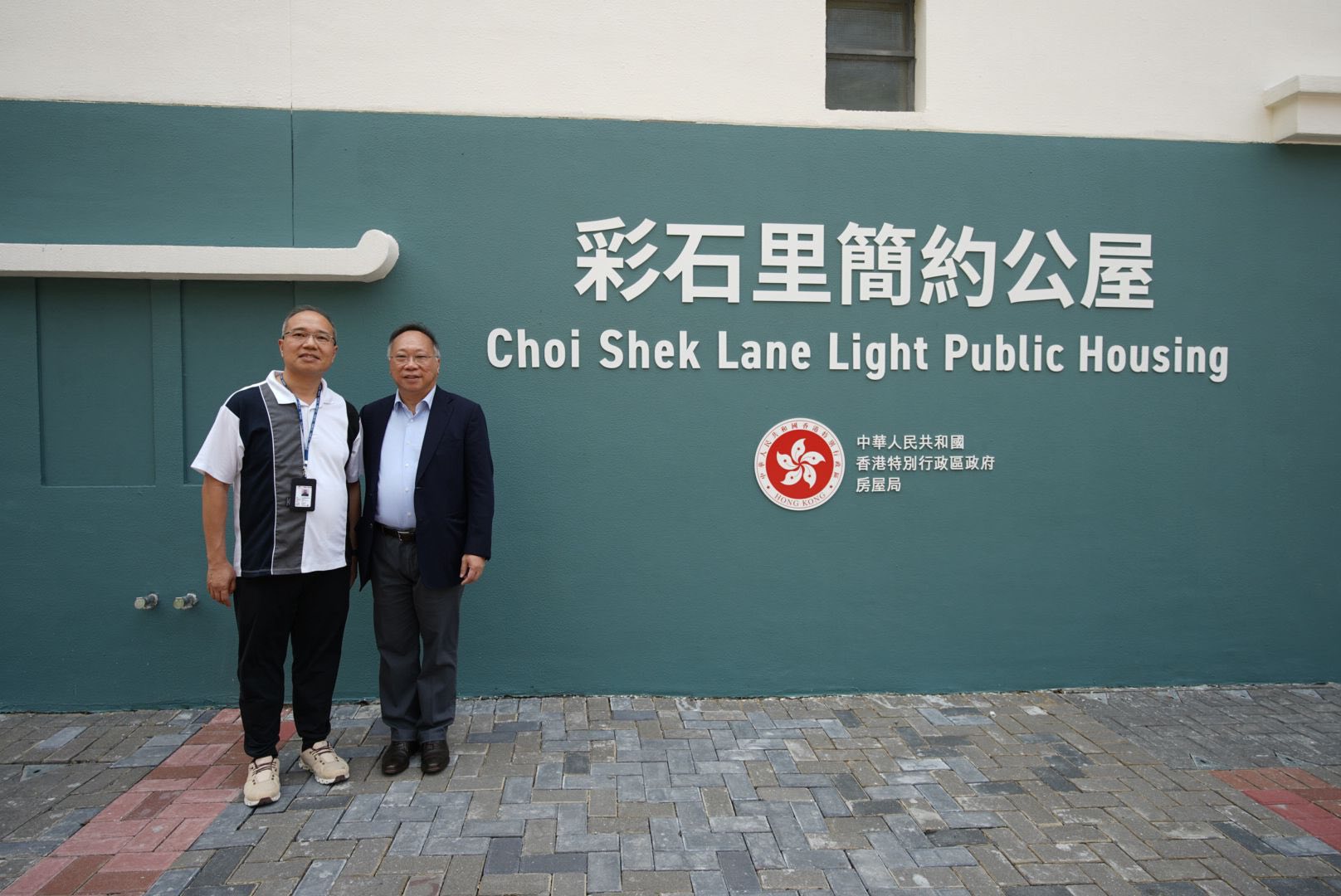
Requested by the Tanner Hill Workshop, Yau Lee Construction invited their members to visit the Choi Shek Lane Light Public Housing and meet with the residents together with our Graduate Engineers on 18/4, giving all attendees with an opportunity for in-depth exchange.
Tanner Hill Workshop is an organization made up of Hong Kongers currently living in Hong Kong / have moved overseas. It is guided by the principles of cultivating oneself, governing the world, and evaluating broader societal matters—bringing positive energy to Hong Kong. The workshop regularly holds talks for its members and invites professionals from different sectors to share their perspectives. The topics range from exploring the essence of traditional civilization and important socio-economic issues of the times to sharing personal life experiences—encouraging sincere exchange, broadening horizons, and giving back to society.
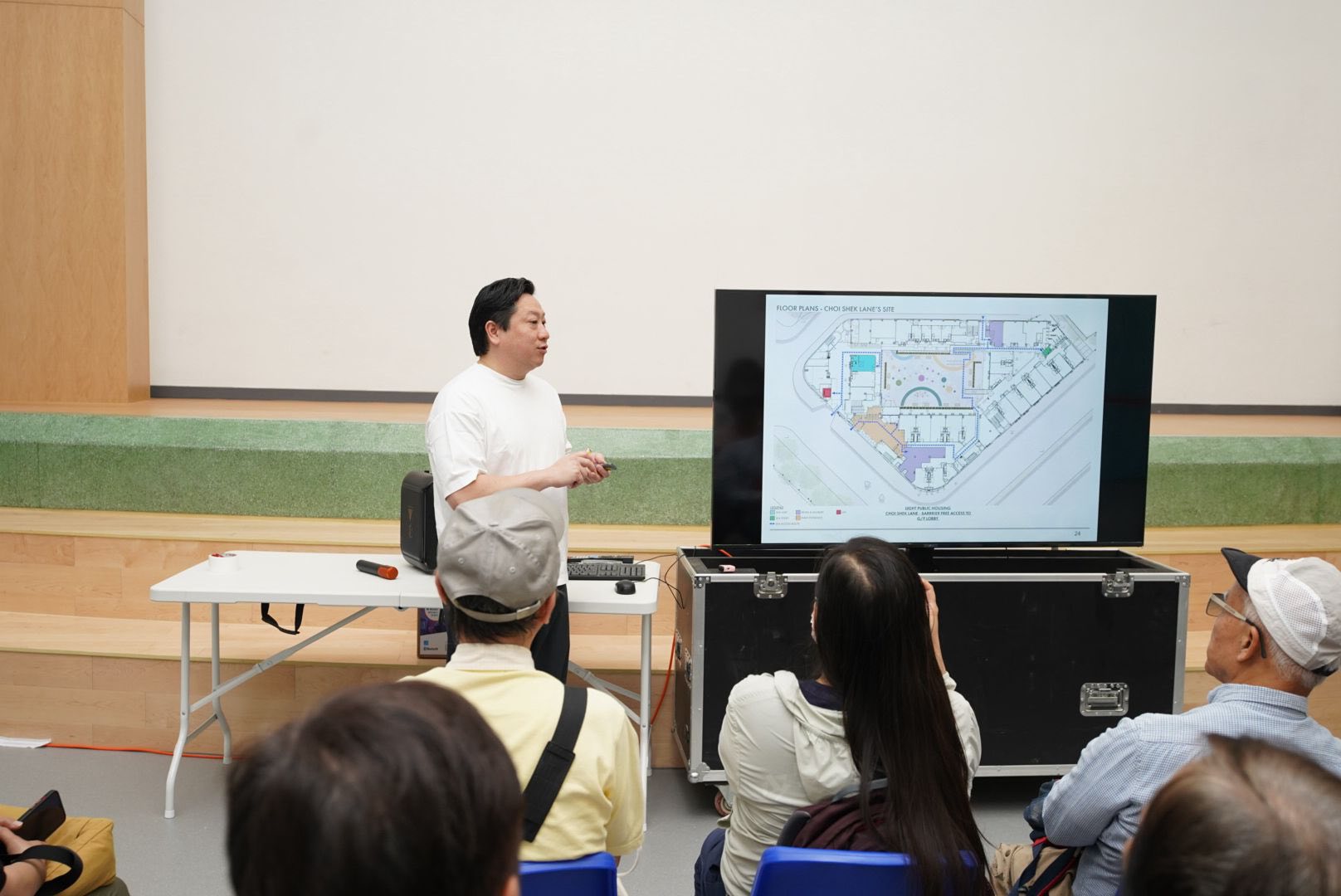
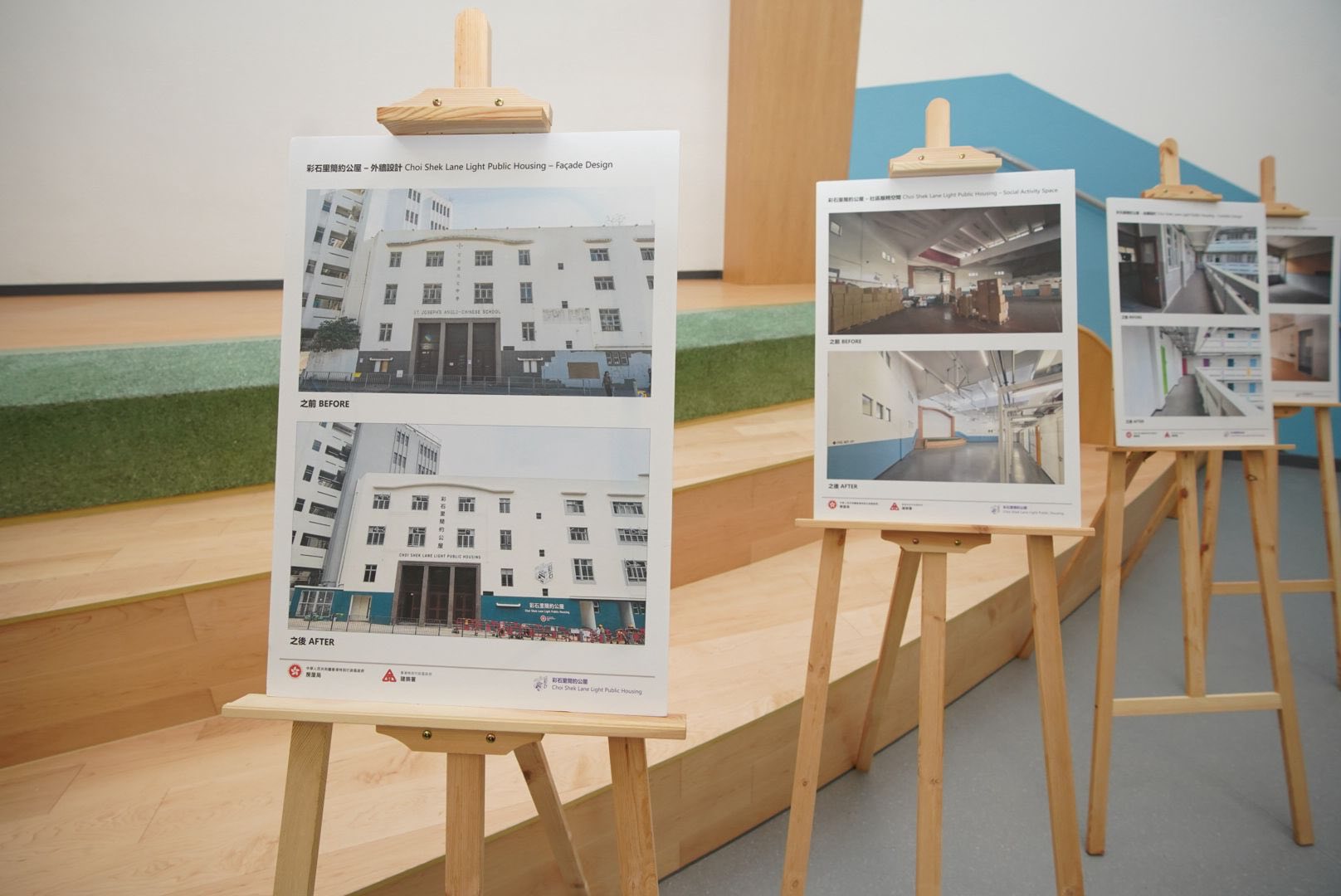
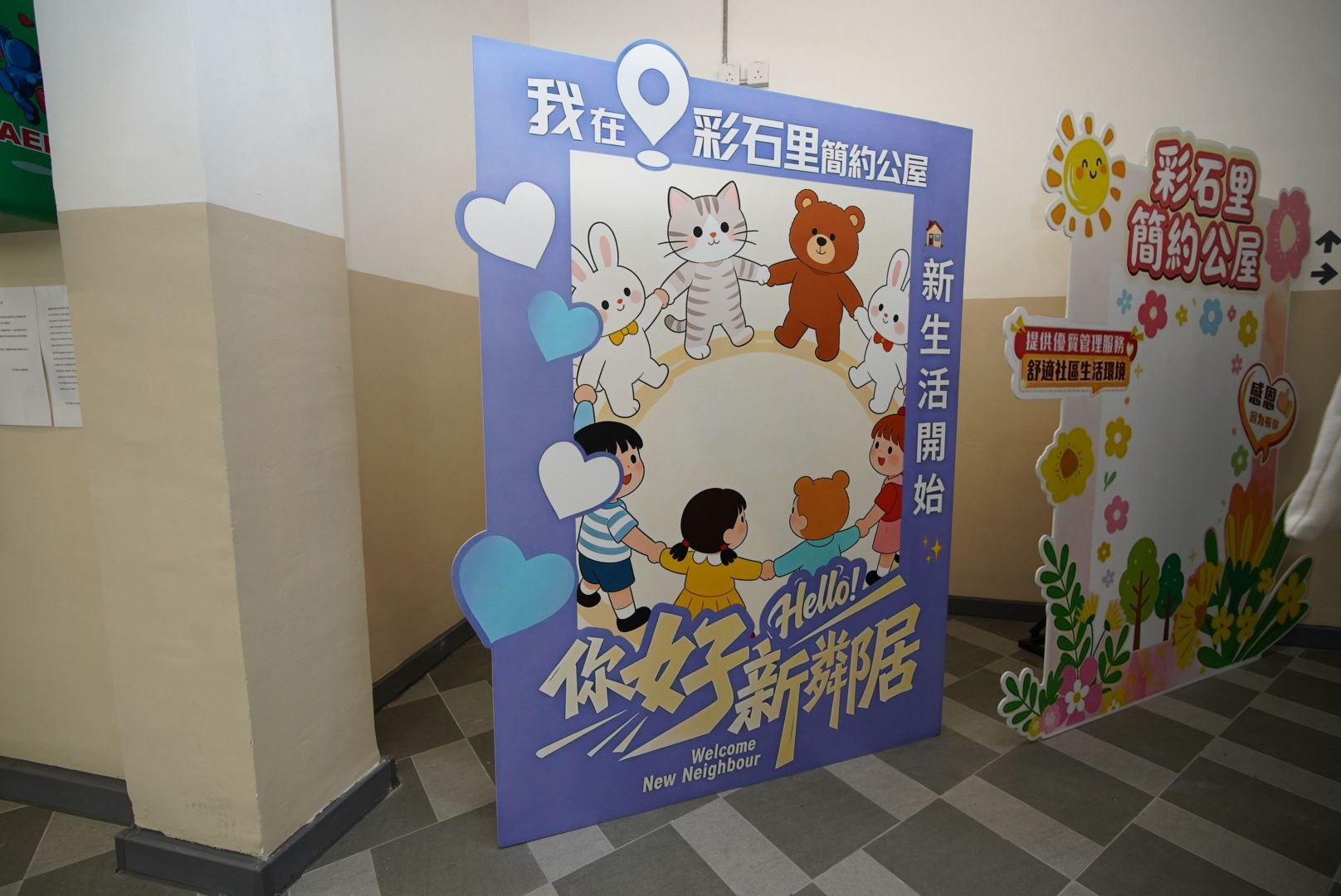
Choi Shek Lane Light Public Housing was specially selected for this training because it was converted from the campus of St. Joseph’s Anglo-Chinese School. The site helped the Graduate Engineers understand the challenges throughout the entire renovation process. It preserves distinctive architectural features from the 1950s, and repurposes the original school auditorium and playground into community facilities and shared public spaces—significantly reduced construction and demolition materials and waste. The Choi Shek Lane Light Public Housing provides 148 units with monthly rent from HKD1,230 to HKD3,310 and all unitshave been rented out already.
Rosana of Yau Lee Group believes this training is highly meaningful. It enables young Graduate Engineers to engage in cross-generational exchanges with Tanner Hill Workshop members who have rich life experience, inspiring mutual reflection. At the same time, through the on-site visit and the sharing of renovation works at Choi Shek Lane Light Public Housing, the Graduate Engineers gained a deeper understanding of the importance of “conservation”and “sustainability”. Going forward, they will be better equipped to consider urban culture, environmental impacts, and community needs holistically in future project design and construction—helping Hong Kong create buildings that are not only more characterful, but also more valuable in the long term.
By continuing to browse this site, you agree to the use of cookies to generate visit statistics.
